
Blog
Practical guides from our exercise physiologists on injury, chronic conditions, WorkCover and NDIS.
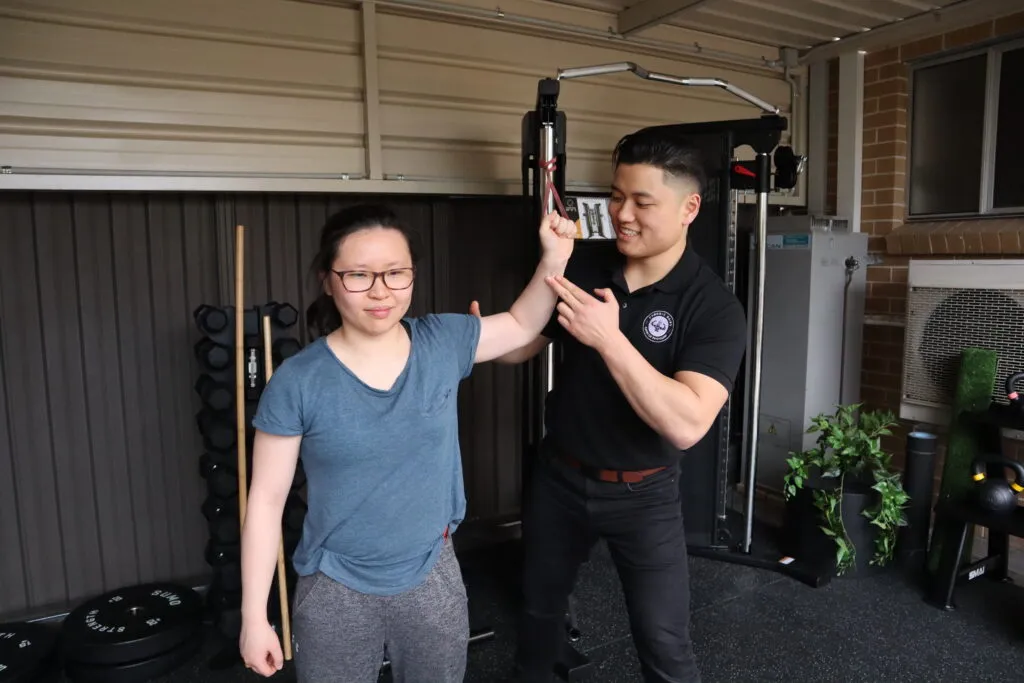
Understanding Shoulder Bursitis: How Exercise Physiology Supports Rehabilitation
Shoulder bursitis is a painful condition that affects many individuals, often limiting their ability to perform daily activities and participate in physical exercise. For those suffering from this condition, effective rehabilitation is crucial to restoring function, reducing pain, and preventing future flare-ups. What is Shoulder Bursitis? Shoulder bursitis is the inflammation of the bursa, a…

Understanding Plantar Fasciitis: How Exercise Physiology Helps with Rehabilitation
Plantar fasciitis is one of the most common causes of heel pain, affecting millions of people worldwide. This condition can be debilitating, especially for individuals who lead active lifestyles or work in physically demanding jobs. Fortunately, Exercise Physiology offers a science-based, effective approach to managing and rehabilitating plantar fasciitis. What is Plantar Fasciitis? Plantar fasciitis…

Understanding Spinal Cord Injury: How Exercise Physiology Plays a Crucial Role in Rehabilitation
Spinal cord injury (SCI) is a life-changing condition that significantly impacts an individual’s physical, emotional, and social well-being. The spinal cord is the main communication pathway between the brain and body, and when disrupted, SCI can cause impairments in nearly every aspect of a person’s life. Rehabilitation for SCI is a complex process that requires…
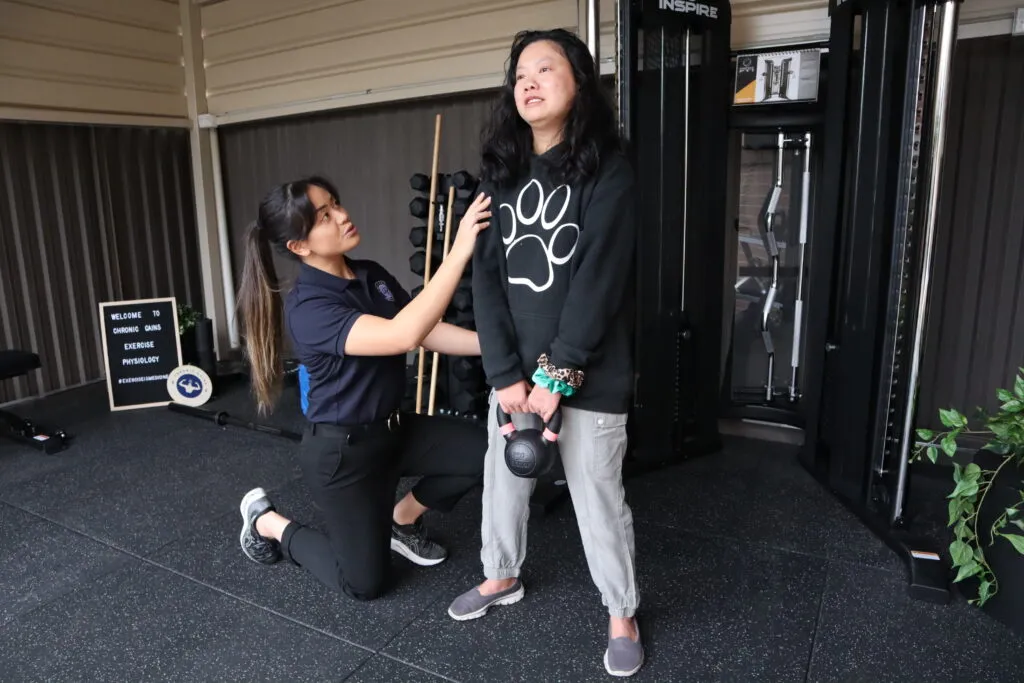
How Exercise Physiology Fits Into Your NDIS Plan
Exercise Physiology plays an important role in the health and well-being of individuals living with disabilities. For participants in the National Disability Insurance Scheme (NDIS), integrating Exercise Physiology into their NDIS plans can offer profound benefits. Let’s dive deep to learn more about the role of Exercise Physiology within NDIS plans, the benefits it provides,…

How Exercise Physiology Can Help With Managing Arthritis
Arthritis is a common yet often misunderstood condition that affects millions of people worldwide. Exercise Physiology can play a crucial role in managing and alleviating its symptoms. We’ll now explore the nature of arthritis, its impact on daily life, and the specific ways in which tailored exercise programs can make a significant difference. What is…

Understanding Schizophrenia and the Role of Exercise Physiology
Schizophrenia is a complex, chronic mental health disorder that affects how a person thinks, feels, and behaves. It can be a highly debilitating condition, but with the right treatment and support, individuals living with schizophrenia can lead fulfilling lives. One of the lesser-known yet highly effective treatments for managing schizophrenia symptoms is Exercise Physiology. This…
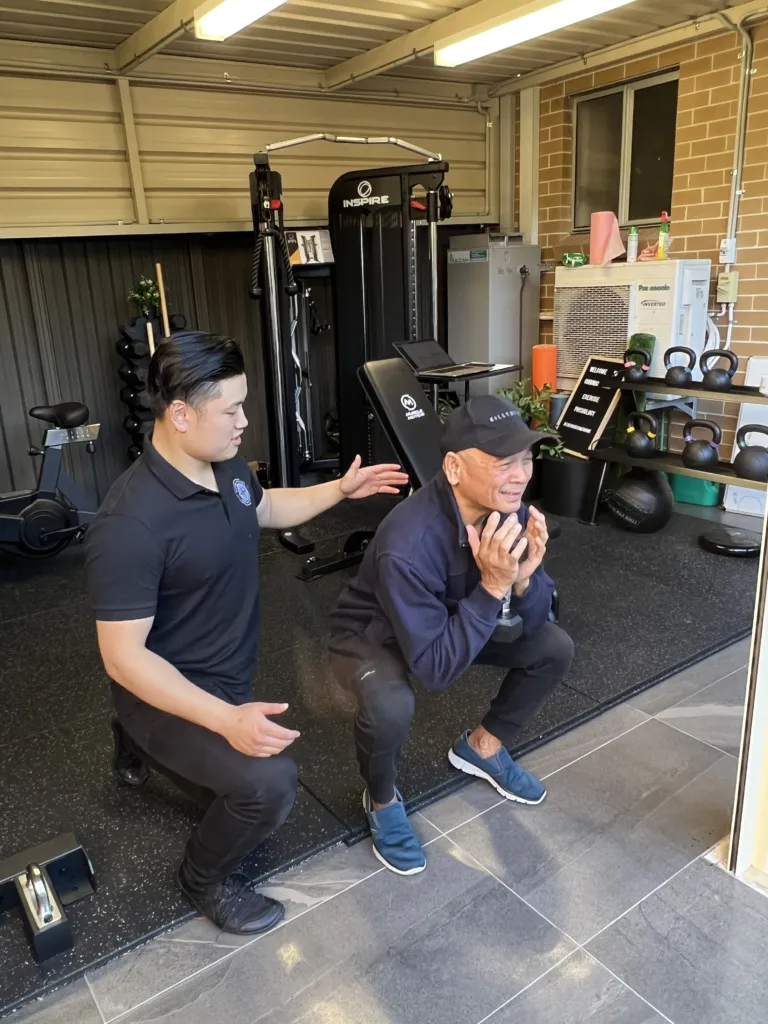
The Vital Role of Exercise in Preventing and Rehabilitating Work-Related Injuries
Introduction: Understanding the Intersection of Exercise and Occupational Health Let’s discuss the crucial role of exercise in preventing and rehabilitating work-related injuries. Workplace injuries can have a significant impact on individuals’ lives and livelihoods. In this blog post, we’ll dive into the importance of exercise as a proactive measure to prevent workplace injuries and as…
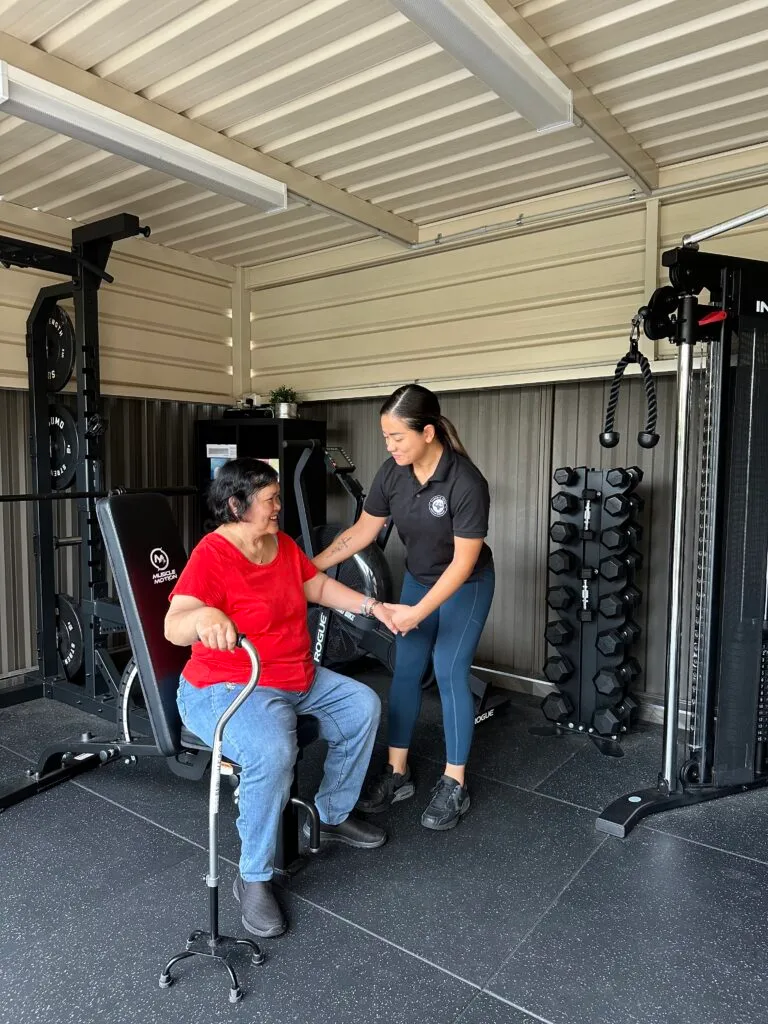
Understanding the Benefits of Exercise Physiology for NDIS Participants
Introduction: Empowering NDIS Participants Through Exercise As professional Exercise Physiologists dedicated to enhancing the lives of NDIS participants, we believe in the transformative power of tailored exercise programs. Today, we will talk about the many benefits that exercise physiology (EP) offers to individuals under the NDIS. From improving mobility and strength to enhancing overall quality…
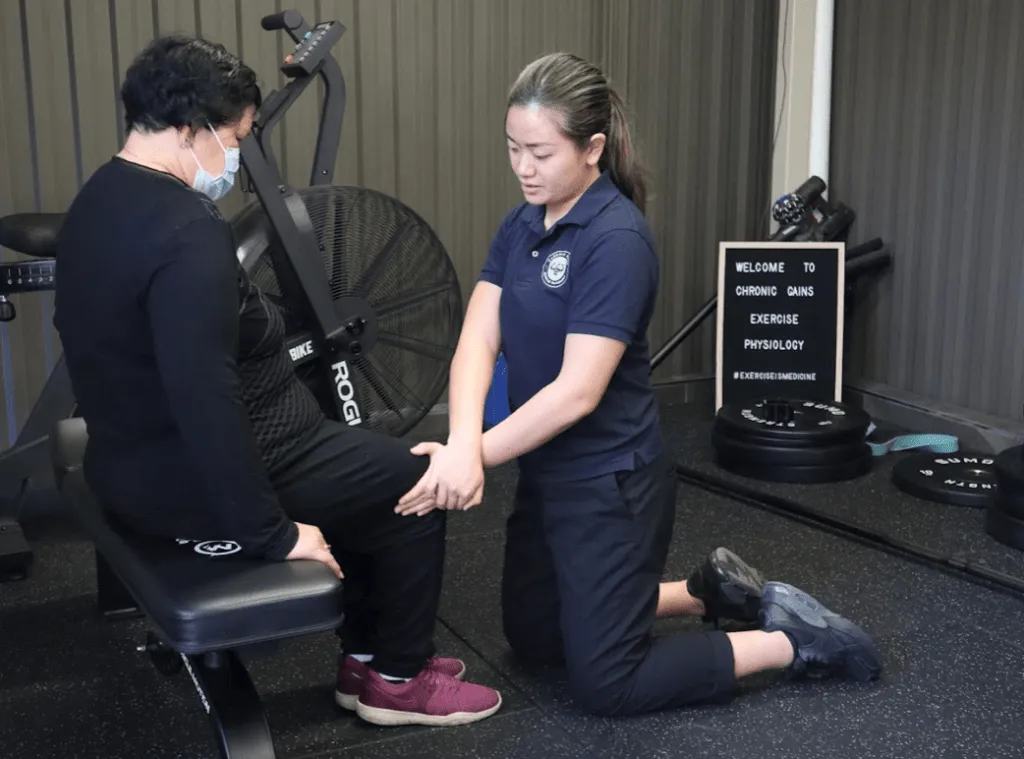
Exercise For All Age Groups
Regardless of age, exercise plays a crucial role in promoting physical health, mental well-being, and overall quality of life. By understanding the unique fitness needs and considerations of different age groups, individuals can tailor their exercise routines to optimise health and vitality at every stage of life…
Free discovery call
15 minutes. Tell us what’s going on. We’ll tell you exactly how we’d fix it — no scripts, no pressure, just the truth.
- Call
- 0410 883 228
- Hours
- Monday to Friday 8am – 6pm