
Blog
Practical guides from our exercise physiologists on injury, chronic conditions, WorkCover and NDIS.

Exercise Physiology for People with Disability: Building Strength, Safety, and Independence
Quick Answer Exercise Physiology (EP) for people with disability focuses on building physical strength, safety, and independence through personalised and evidence-based programs. Accredited Exercise Physiologists (AEPs) work closely with clients under the NDIS, Medicare or private pathways to improve function, reduce pain, and enhance quality of life. Introduction Living with a disability can come with…
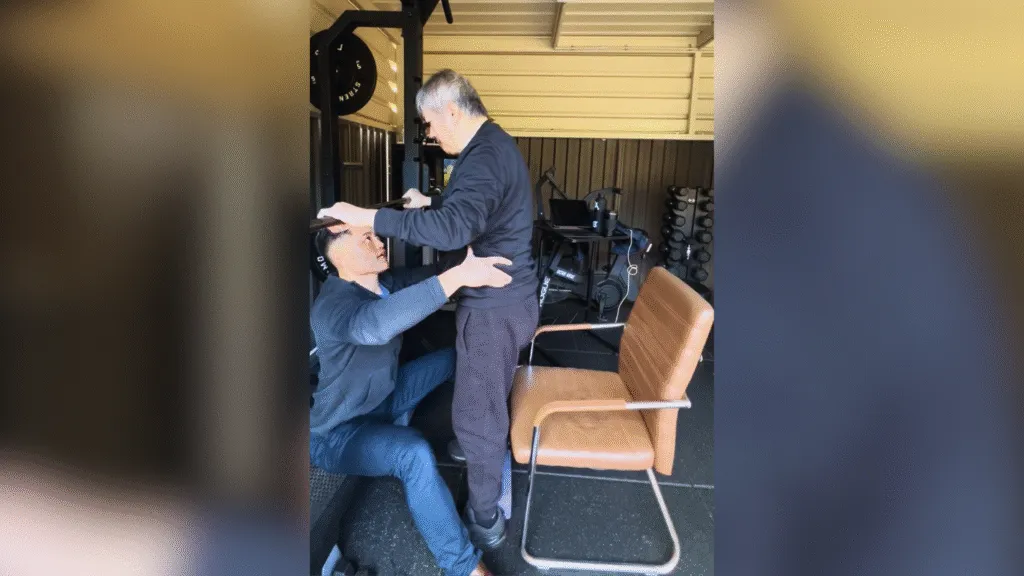
Tailoring Programs for Different Disabilities: Power, Speed, Mobility, Balance
Introduction Every person living with a disability has different strengths, challenges, and goals. That’s why exercise under the NDIS is never a matter of “one-size-fits-all.” Instead, it’s about identifying which physical qualities — power, speed, mobility, or balance — matter most for daily life, and then building a program that supports them in a safe…
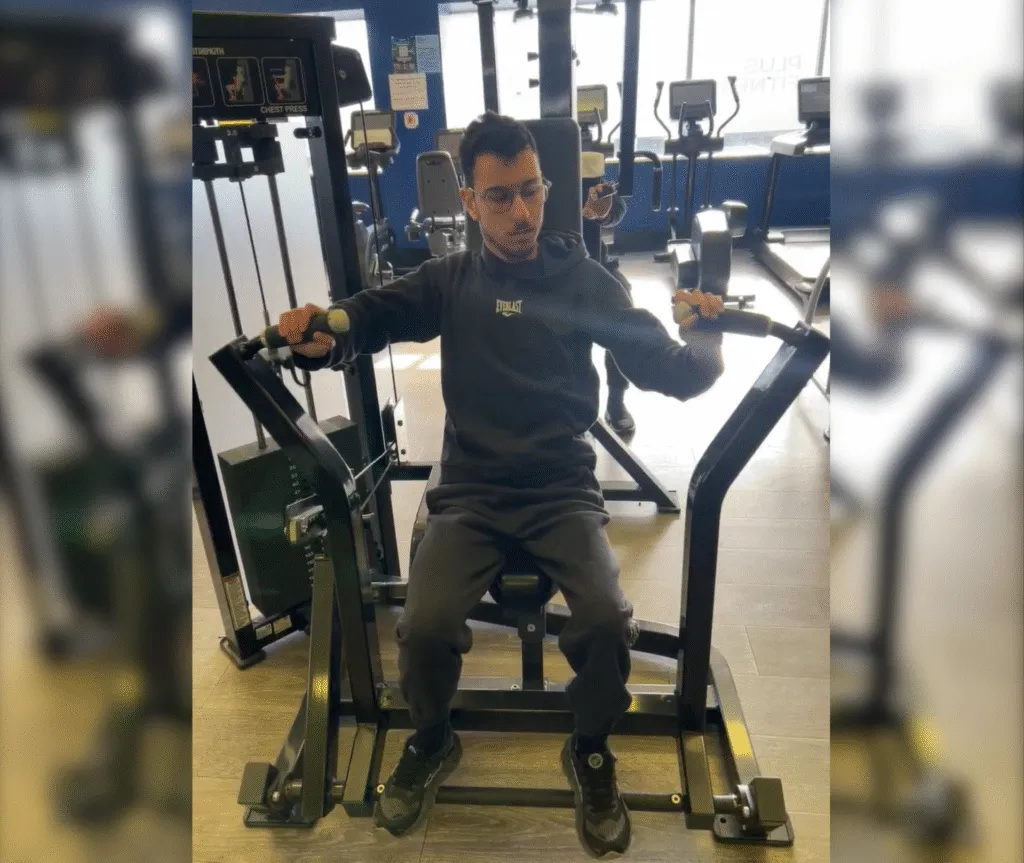
Exercise Progressions, Regressions, and Personalised Programming
Introduction When most people think about exercise, they imagine a straight line: start at one point, keep pushing harder, and eventually you’ll get stronger or fitter. But real life — and especially life with a disability or chronic condition — isn’t that simple. Some days you feel capable of more. Other days, fatigue, pain, or…
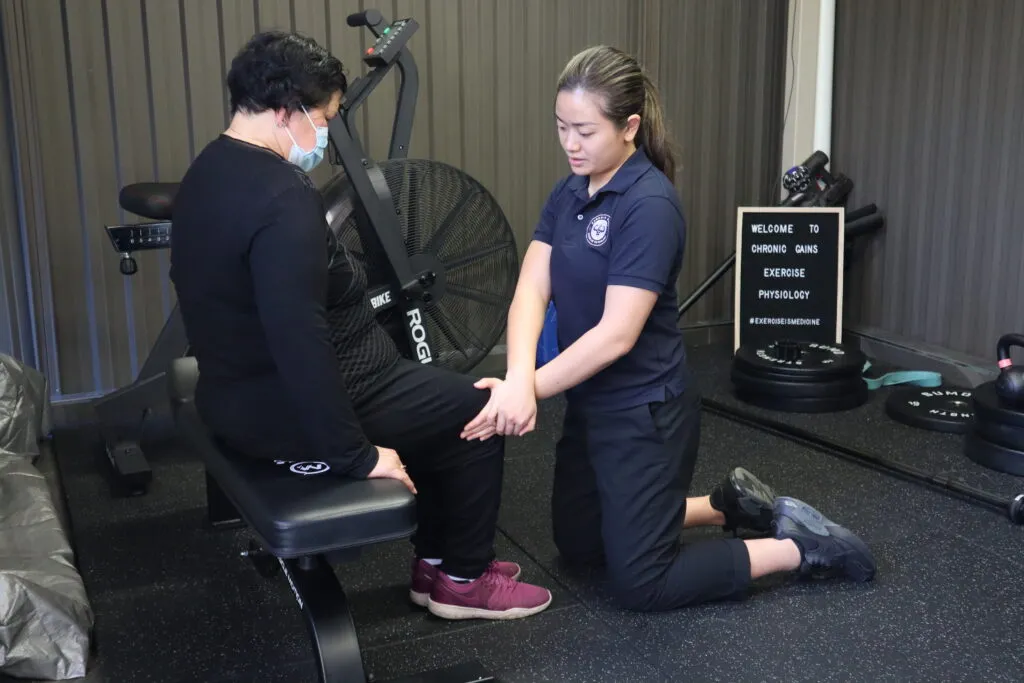
How Regular Exercise Can Slow the Effects of Aging
Ageing is a natural process, one that brings wisdom, life experience, and growth. It also comes with physical changes that can affect our health, mobility, and quality of life. While we can’t stop time, we can shape how we age — and regular exercise is one of the most powerful tools we have! Exercise Physiology,…
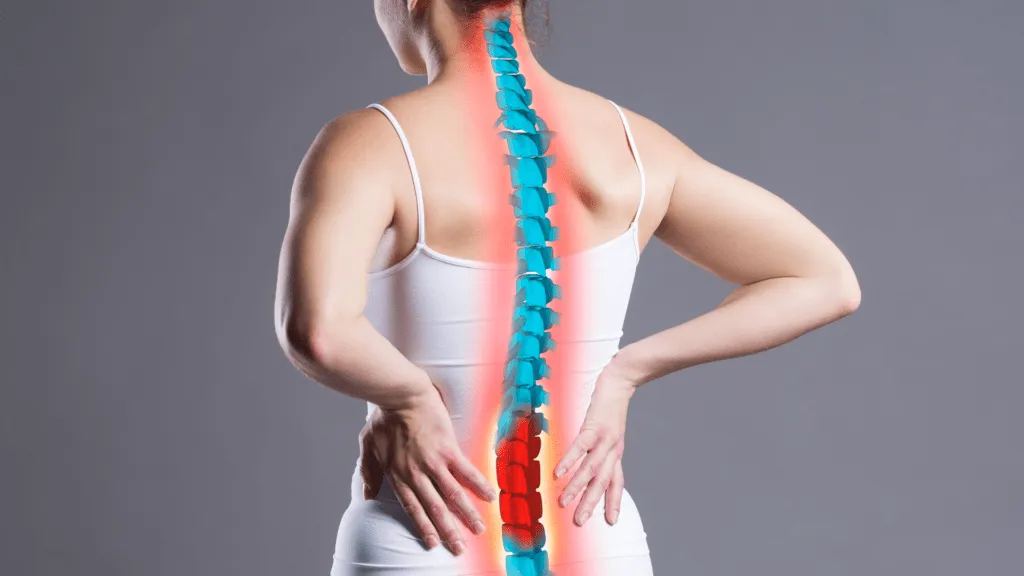
Exercise for Stronger Bones: Managing Osteoporosis
Osteoporosis, often referred to as the “silent disease,” affects millions of individuals worldwide, particularly postmenopausal women and older adults. This condition is characterised by weakened bones and an increased risk of fractures. As a result, it can significantly impact one’s quality of life. However, there is good news: tailored exercise programs can play a pivotal…
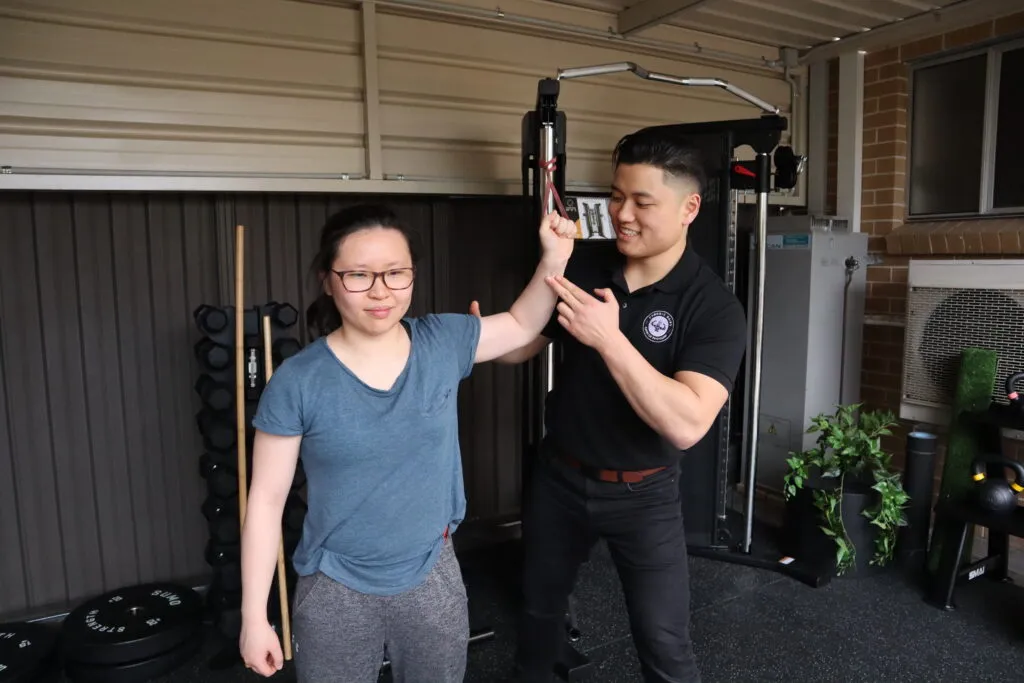
Understanding Shoulder Bursitis: How Exercise Physiology Supports Rehabilitation
Shoulder bursitis is a painful condition that affects many individuals, often limiting their ability to perform daily activities and participate in physical exercise. For those suffering from this condition, effective rehabilitation is crucial to restoring function, reducing pain, and preventing future flare-ups. What is Shoulder Bursitis? Shoulder bursitis is the inflammation of the bursa, a…

How Exercise Physiology Can Help With Managing Arthritis
Arthritis is a common yet often misunderstood condition that affects millions of people worldwide. Exercise Physiology can play a crucial role in managing and alleviating its symptoms. We’ll now explore the nature of arthritis, its impact on daily life, and the specific ways in which tailored exercise programs can make a significant difference. What is…
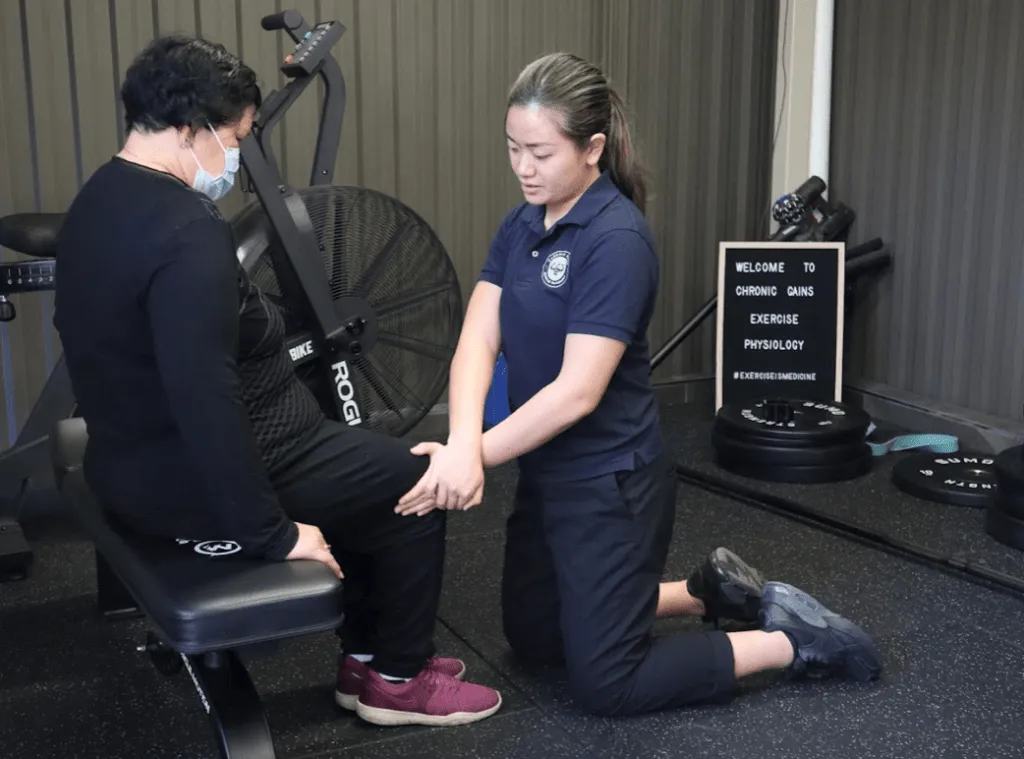
Exercise For All Age Groups
Regardless of age, exercise plays a crucial role in promoting physical health, mental well-being, and overall quality of life. By understanding the unique fitness needs and considerations of different age groups, individuals can tailor their exercise routines to optimise health and vitality at every stage of life…
Free discovery call
15 minutes. Tell us what’s going on. We’ll tell you exactly how we’d fix it — no scripts, no pressure, just the truth.
- Call
- 0410 883 228
- Hours
- Monday to Friday 8am – 6pm