
Blog
Practical guides from our exercise physiologists on injury, chronic conditions, WorkCover and NDIS.
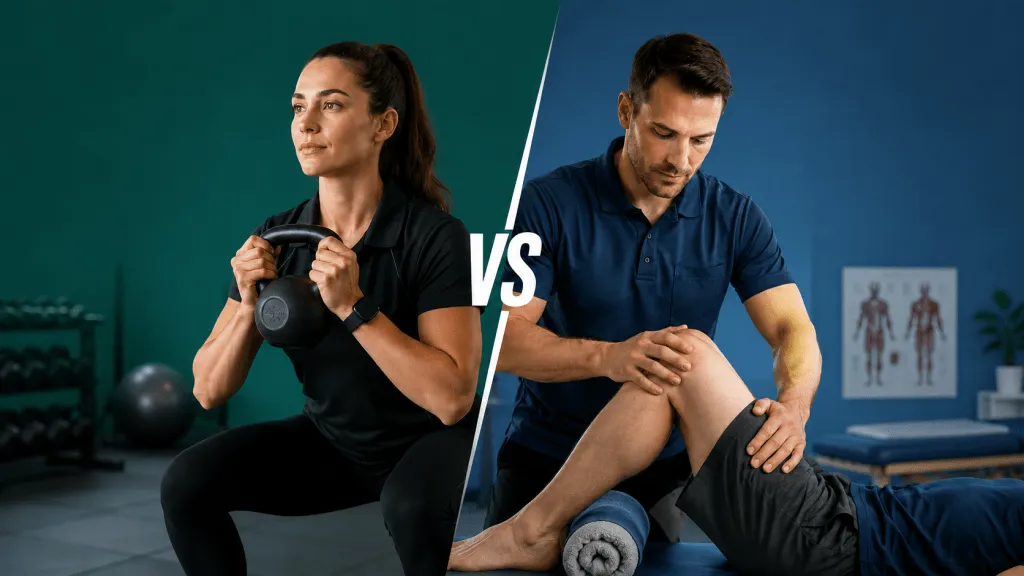
Exercise Physiologist or Physiotherapist? How to Know Which One You Need
Quick Answer Exercise physiologists and physiotherapists both help you recover and move better, but they work differently. Physiotherapists focus on diagnosing and treating pain or injury through hands-on techniques, especially in the early stages. Exercise physiologists use structured, evidence-based exercise programs to build long-term strength, function, and independence, particularly for chronic conditions and post-injury recovery….
Should You Rest or Move After an Injury? The Truth About Recovery
Quick Answer: For most soft tissue injuries, complete rest is rarely the best approach. Evidence-based rehabilitation favours early, graded movement over prolonged inactivity — but the right balance depends on your injury type, severity, and stage of healing. A structured assessment from a qualified Exercise Physiologist in Bankstown or across NSW can help you move…

Why Your Injury Isn’t Healing — And What Your Body Actually Needs to Recover
Quick Answer If your injury is not healing, it is usually because your body is either underloaded, overloaded, inflamed, or not supported with the right recovery inputs. True injury recovery requires progressive, targeted exercise, adequate load management, circulation, sleep, and metabolic support. Evidence from ACSM shows that appropriate, individualised exercise is essential for tissue repair…

Exercise Physiology for People with Disability: Building Strength, Safety, and Independence
Quick Answer Exercise Physiology (EP) for people with disability focuses on building physical strength, safety, and independence through personalised and evidence-based programs. Accredited Exercise Physiologists (AEPs) work closely with clients under the NDIS, Medicare or private pathways to improve function, reduce pain, and enhance quality of life. Introduction Living with a disability can come with…

How Exercise Physiology Helps Manage Chronic Conditions (Like Back Pain, Arthritis, Diabetes)
Quick Answer: Exercise Physiology (EP) is an evidence‑based health service that uses personalised movement‑based interventions to reduce pain, improve function, enhance metabolic health, and boost quality of life for people with chronic conditions. It supports long‑term management of back pain, arthritis and diabetes through tailored exercise prescription, education and ongoing support. Introduction Living with a…
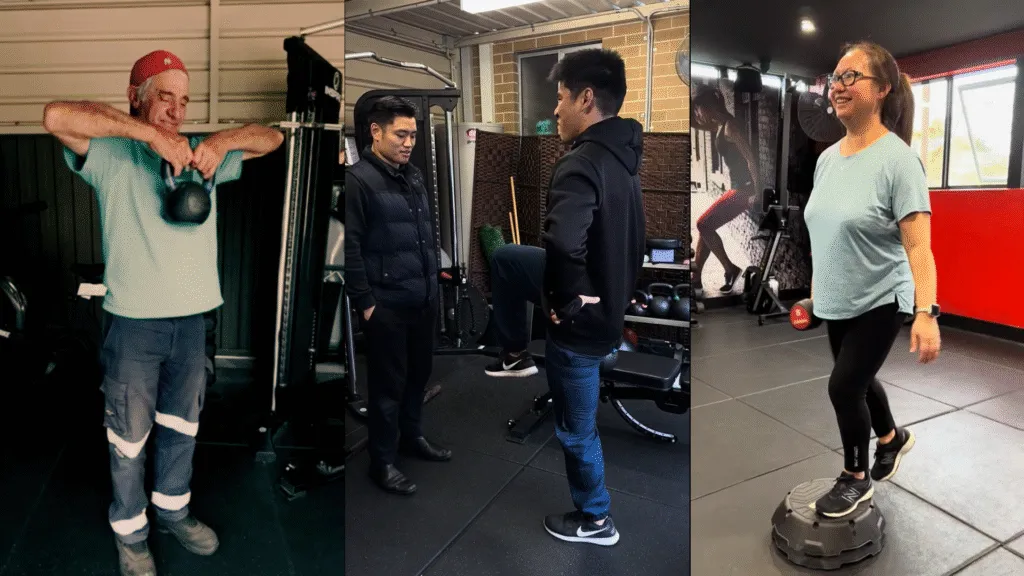
How Exercise Physiology Improves Mental Health in WorkCover Rehabilitation
Quick Answer: Exercise Physiology (EP) plays a vital role in supporting mental health during WorkCover rehabilitation by improving mood, reducing stress and anxiety, boosting motivation and confidence, and facilitating stronger return‑to‑work outcomes. Introduction When a workplace injury occurs, the primary focus often falls on healing the physical damage. However, the journey of rehabilitation under a…
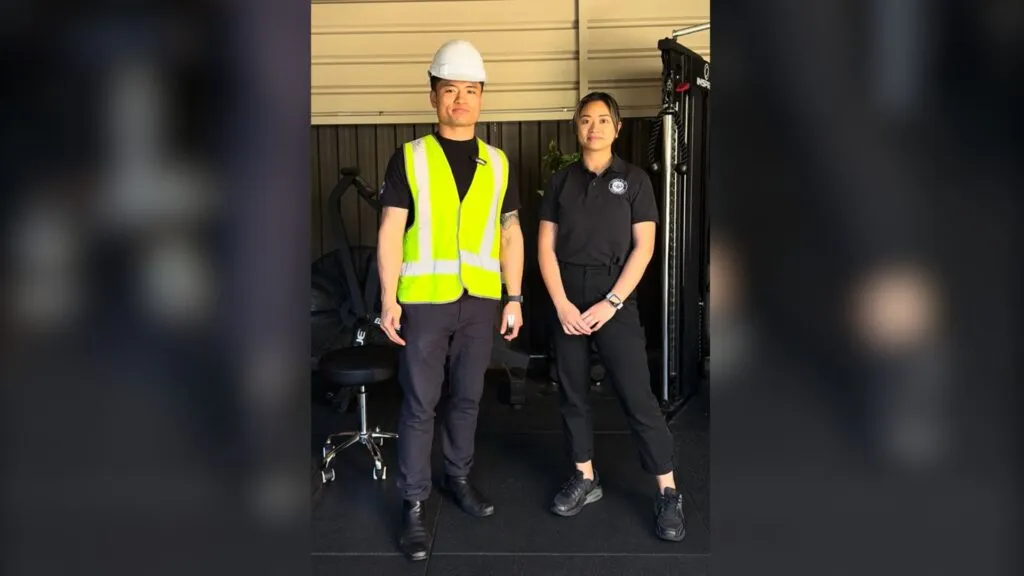
Early Referral to Exercise Physiology: The Key to Quicker Recovery for Workers Compensation Clients
Delays in recovery. Spiralling claim costs. Workers disengaged from their roles and identities. This is the reality for many people injured at work, and for the teams managing their rehabilitation. But what if there was a clear, research-supported strategy that improves recovery speed, reduces treatment costs, and helps injured workers return to meaningful work earlier?…
EP vs Physio in Workers’ Comp: Why Collaboration Matters
If you’ve ever been injured at work, you’ll know how overwhelming the recovery process can feel. Pain, reduced function, and time away from work all take their toll — not just physically, but mentally and financially too. In these moments, having the right healthcare team makes all the difference. Two of the most important professionals…
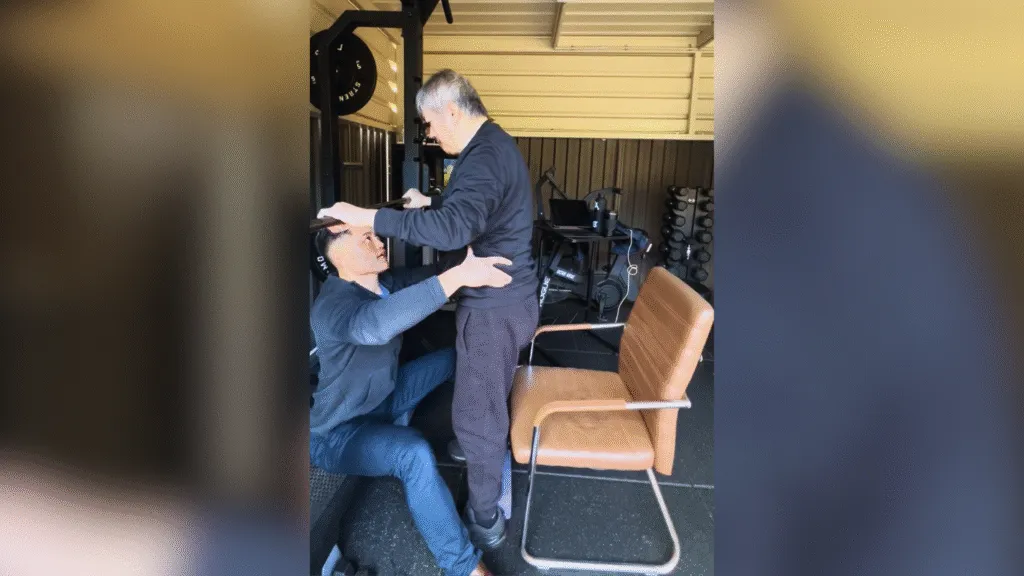
Tailoring Programs for Different Disabilities: Power, Speed, Mobility, Balance
Introduction Every person living with a disability has different strengths, challenges, and goals. That’s why exercise under the NDIS is never a matter of “one-size-fits-all.” Instead, it’s about identifying which physical qualities — power, speed, mobility, or balance — matter most for daily life, and then building a program that supports them in a safe…
Free discovery call
15 minutes. Tell us what’s going on. We’ll tell you exactly how we’d fix it — no scripts, no pressure, just the truth.
- Call
- 0410 883 228
- Hours
- Monday to Friday 8am – 6pm