
Blog
Practical guides from our exercise physiologists on injury, chronic conditions, WorkCover and NDIS.
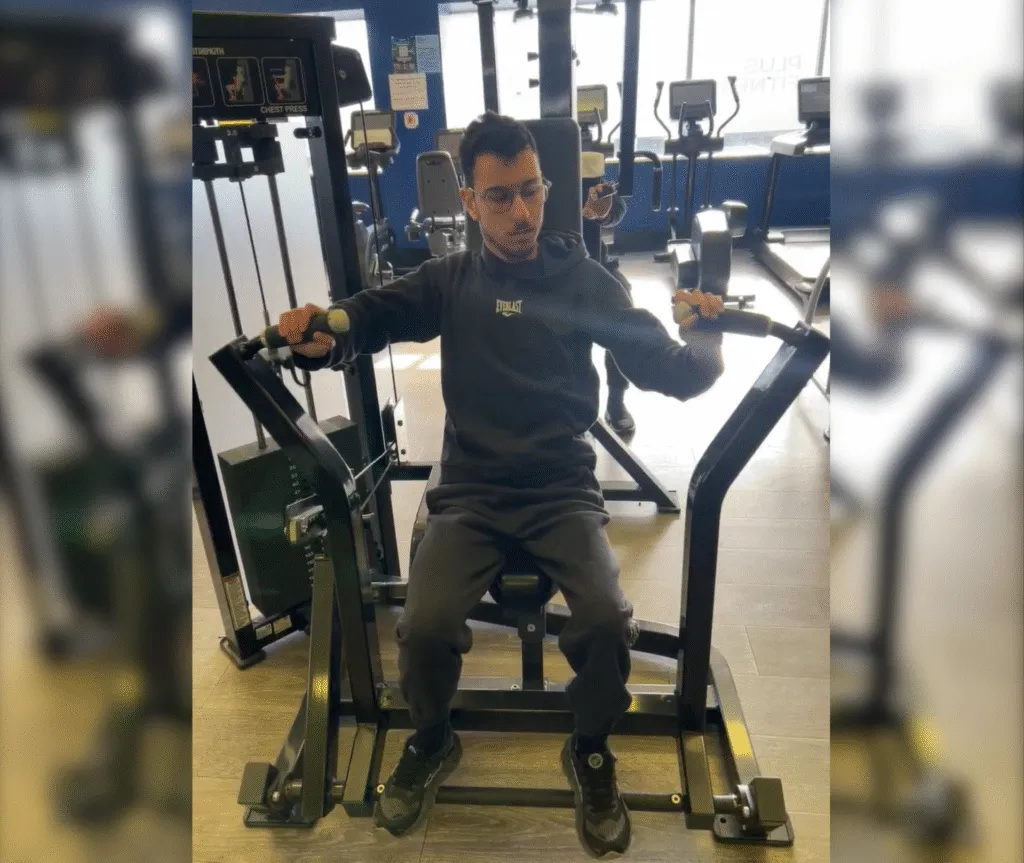
Exercise Progressions, Regressions, and Personalised Programming
Introduction When most people think about exercise, they imagine a straight line: start at one point, keep pushing harder, and eventually you’ll get stronger or fitter. But real life — and especially life with a disability or chronic condition — isn’t that simple. Some days you feel capable of more. Other days, fatigue, pain, or…
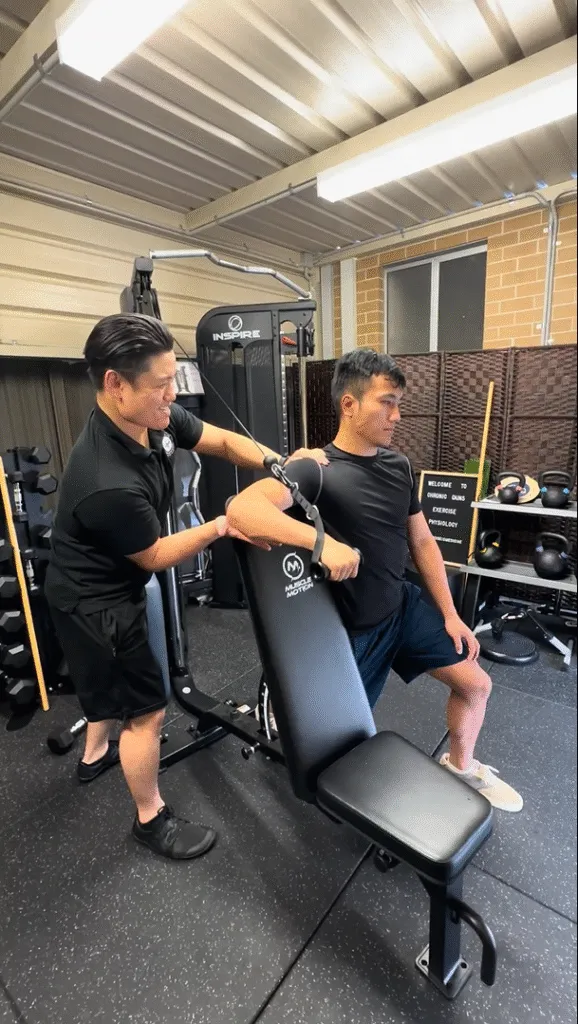
Ensuring Safety and Best Practice in NDIS Exercise Physiology
Introduction When you’re living with a disability, exercise isn’t just about “getting fit.” It’s about moving safely, building confidence, and reclaiming independence. For participants in Bankstown and across Sydney, exercise physiology within the NDIS isn’t about ticking boxes — it’s about ensuring every movement supports your health and life in the safest and most effective…
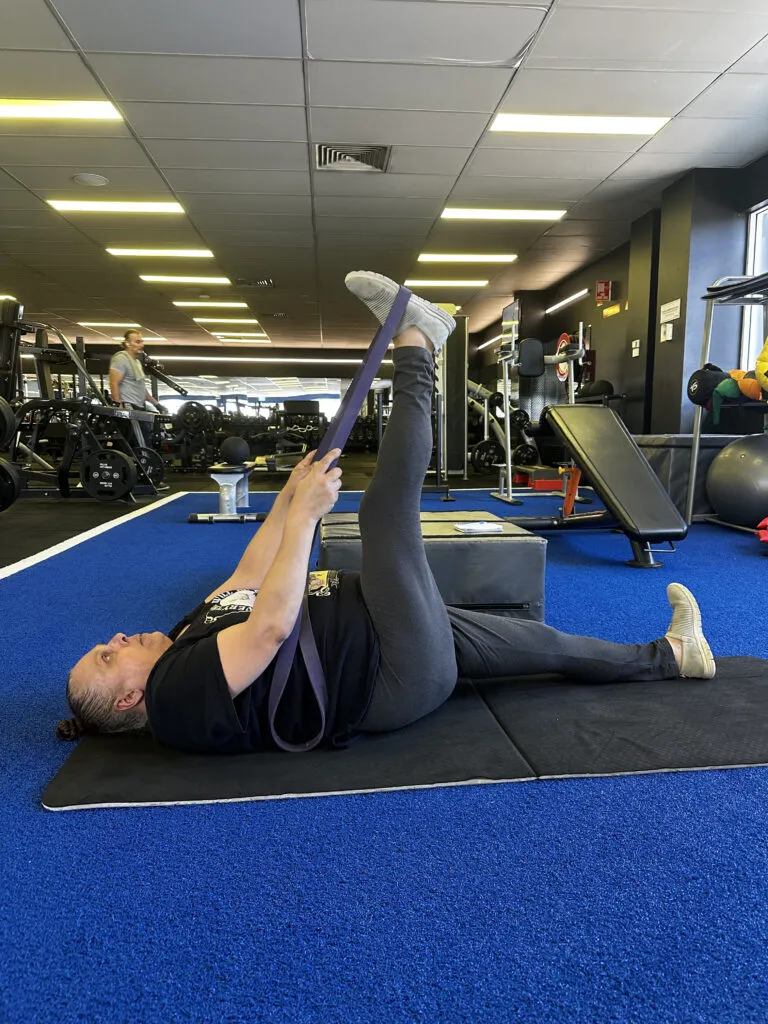
The Importance of Stretching and Flexibility in Disability Exercise Plans
Introduction Have you ever noticed how stiff your shoulders feel after sitting too long at a desk, or how tight your back gets after a long car ride? Now imagine that stiffness lasting all day, every day—that’s the reality many people living with a disability face. Here’s the thing: stretching and flexibility work aren’t just…
Why We Choose Specific Exercises for NDIS Clients
Introduction At Chronic Gains, we know that exercise isn’t just about movement—it’s about movement as medicine. For our clients in Bankstown and right across Sydney, this philosophy shapes every decision we make. For NDIS participants, choosing the right exercises is critical. It’s not about a “one-size-fits-all” program or just getting people moving. It’s about reclaiming…
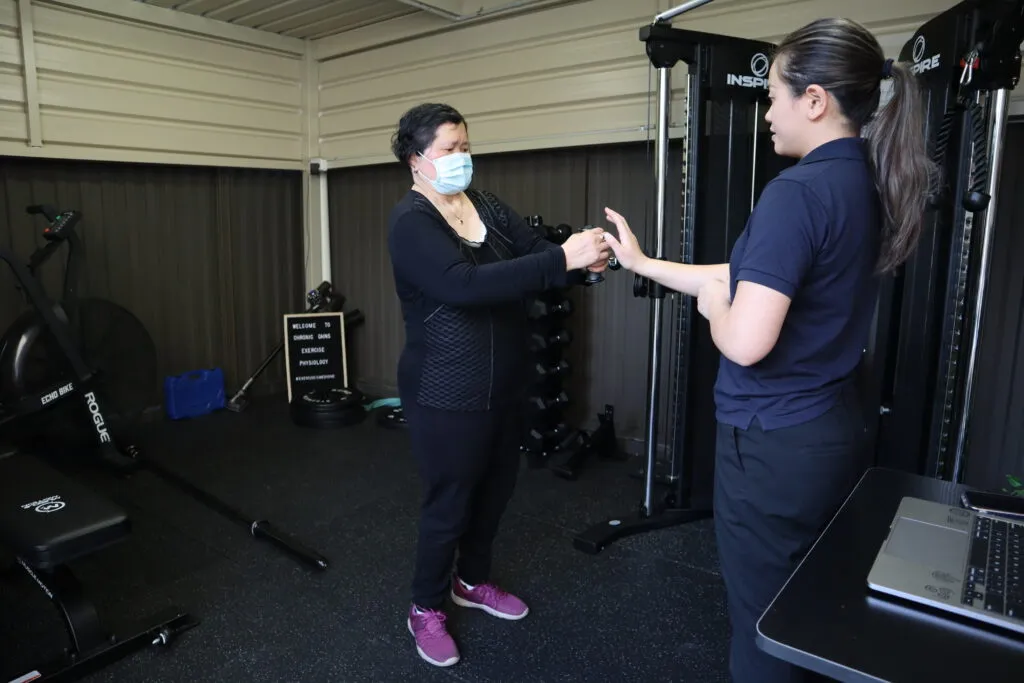
Supporting NDIS Participants’ Goals: Focus, Progress, and Personalisation
Introduction At Chronic Gains, we know that no two journeys are the same. Whether you’re part of the local Bankstown community or looking for trusted support across Sydney, you deserve individualised care that’s grounded in empathy, expertise, and real-world experience. For many National Disability Insurance Scheme (NDIS) participants, exercise isn’t simply about fitness—it’s about reclaiming…
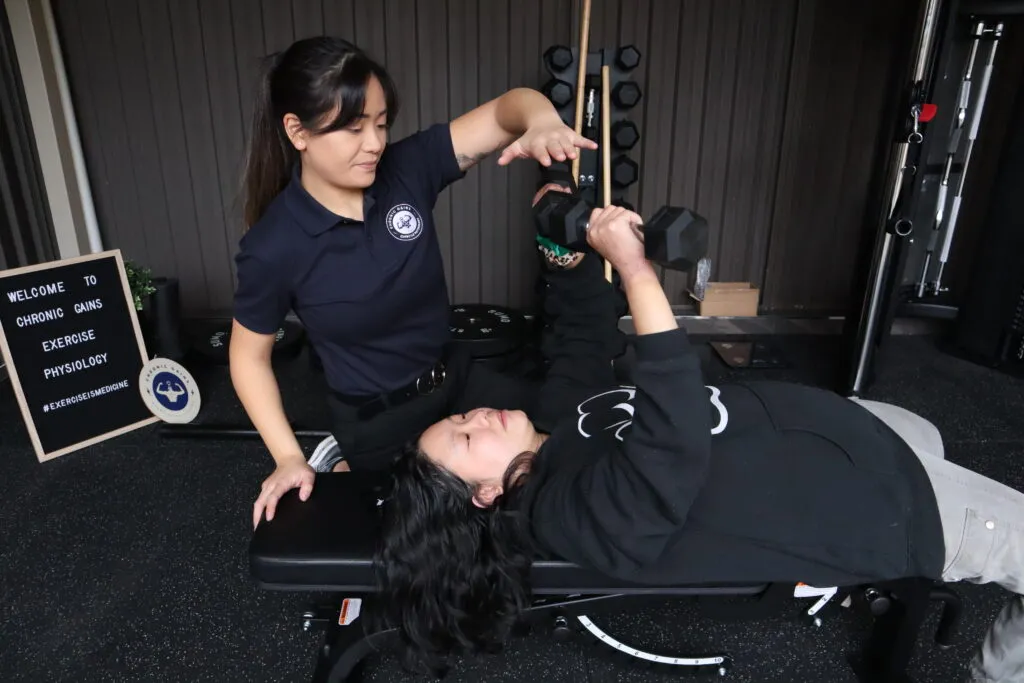
What to Expect & Practical Guidance: Your First Exercise Physiology Appointment
You’ve Booked Your First Exercise Physiology Session—Now What? Whether you’re living with a disability, managing a chronic condition, recovering from injury, or just getting back into movement—booking your first appointment with an Accredited Exercise Physiologist (AEP) is a powerful step toward reclaiming your health and independence. But we get it. You might be asking: In…
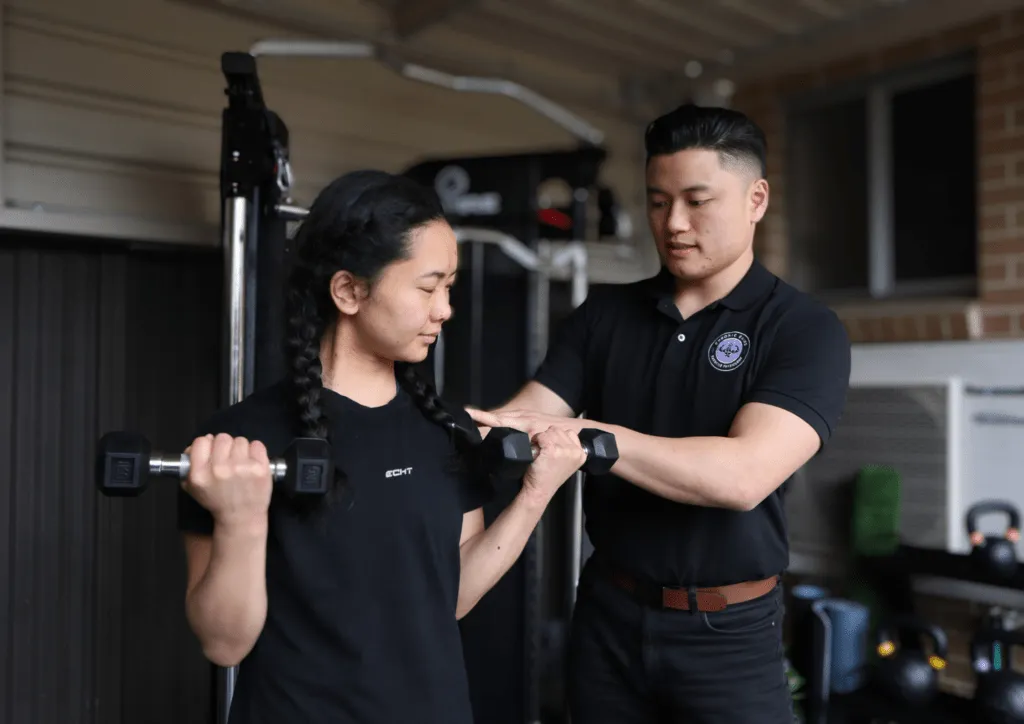
What Does an Accredited Exercise Physiologist (AEP) Do?
Empowering Movement, Reclaiming Independence When people hear the word “exercise,” they often think of it as going for a 10km run, losing weight in the blink of an eye, or hitting the gym 7 days a week. But when it comes to managing chronic conditions, disabilities, and injuries, exercise becomes more than just a lifestyle…
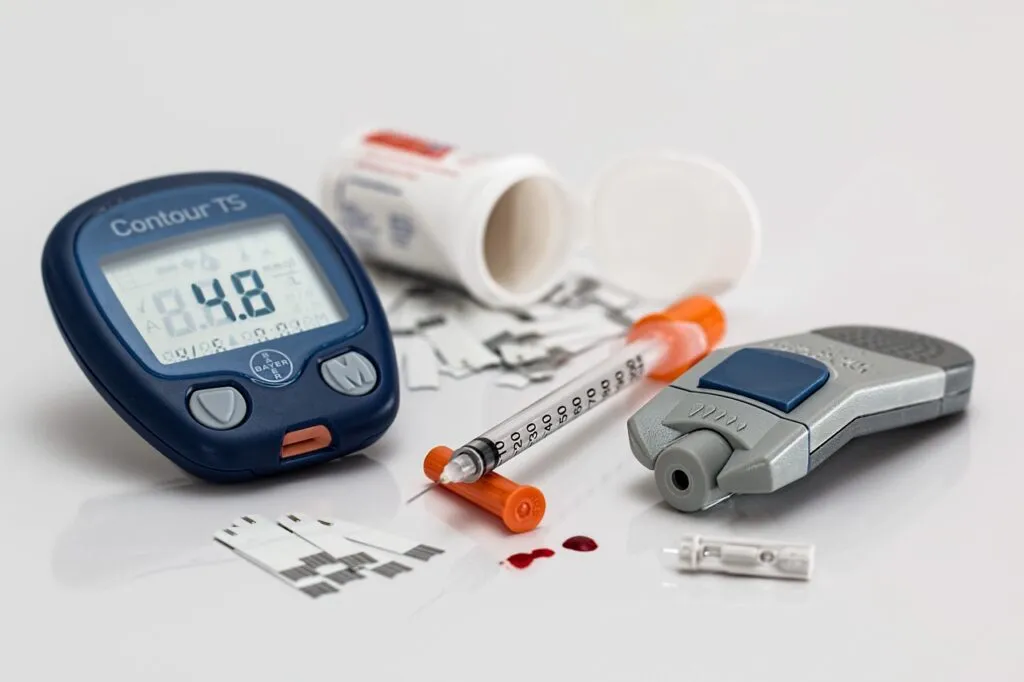
Understanding the Role of Exercise Physiology in Managing Diabetes
Introduction Diabetes is a chronic condition affecting millions worldwide, with rising prevalence due to sedentary lifestyles and poor dietary habits. In 2021, there was an estimated 1 in 20 (5.1% or just over 1.3 million) Australians living with diagnosed diabetes (Type 1 and 2). While medication and diet play crucial roles in managing diabetes, exercise is often…
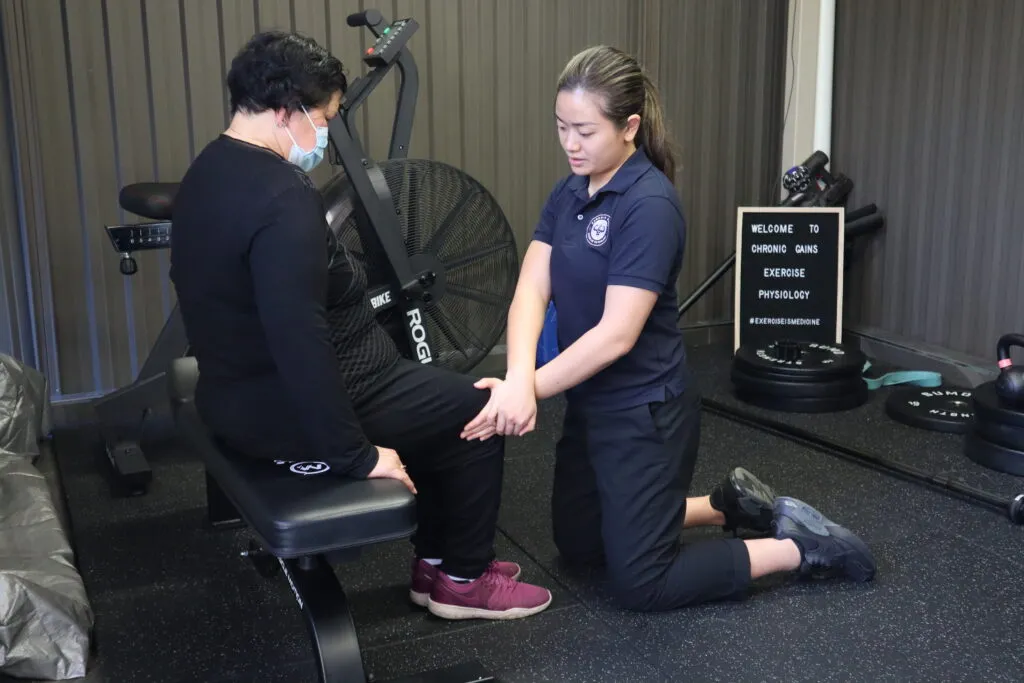
How Regular Exercise Can Slow the Effects of Aging
Ageing is a natural process, one that brings wisdom, life experience, and growth. It also comes with physical changes that can affect our health, mobility, and quality of life. While we can’t stop time, we can shape how we age — and regular exercise is one of the most powerful tools we have! Exercise Physiology,…
Free discovery call
15 minutes. Tell us what’s going on. We’ll tell you exactly how we’d fix it — no scripts, no pressure, just the truth.
- Call
- 0410 883 228
- Hours
- Monday to Friday 8am – 6pm