Injured at Work in Sydney? Here’s How to Return Safely Without Re-Injury
Quick Answer
Returning to work after a workplace injury in Sydney requires a structured, gradual, and evidence-based rehabilitation plan. A safe return involves progressive exercise, load management, and professional guidance to reduce the risk of re-injury and restore full function.
Introduction

Workplace injuries can disrupt more than just your job. They impact your income, confidence, routine, and overall wellbeing. Many people in Bankstown and across Sydney feel pressure to return quickly, often before their body is fully ready.
This is where re-injury commonly occurs.
Without proper rehabilitation, even a minor injury can turn into a long-term issue. The good news is that with the right approach, you can return to work safely, rebuild strength, and prevent setbacks.
In this blog, we will break down exactly how to return to work after an injury, what mistakes to avoid, and how exercise physiology supports long-term recovery.
Table of Contents
- Why This Matters
- Understanding Workplace Injuries and Re-Injury Risk
- The Role of Exercise Physiology in Recovery
- Gradual Return-to-Work: What It Should Look Like
- Preventing Re-Injury Long Term
- Quick Comparison Table
- Expert Insight
- FAQs
- Next Steps
- Author Bio
Why This Matters
- Returning too early increases your risk of re-injury and chronic pain
- Poor rehabilitation can delay recovery and reduce work capacity
- Structured exercise improves strength, mobility, and confidence
- Safe return-to-work plans reduce long-term compensation claims
- Evidence-based rehab leads to better health and work outcomes
Understanding Workplace Injuries and Re-Injury Risk
Common Types of Workplace Injuries
Workplace injuries in Sydney often involve:
- Musculoskeletal injuries such as back pain, shoulder injuries, and knee strain
- Repetitive strain injuries from prolonged sitting or manual tasks
- Acute injuries from lifting, slips, or falls
According to ACSM guidelines, musculoskeletal injuries are strongly influenced by load, movement patterns, and physical conditioning .

Why Re-Injury Happens
Re-injury is rarely due to bad luck. It is usually caused by:
- Returning to work before full recovery
- Lack of strength or mobility
- Poor load management
- Fear of movement leading to compensation patterns
Without proper rehabilitation, tissues remain vulnerable, and the body cannot tolerate workplace demands.

The Hidden Risk: Deconditioning
Time off work often leads to reduced strength, endurance, and coordination. This is known as deconditioning.
When you return without rebuilding these capacities, even normal work tasks can exceed your physical limits.
This is why structured rehabilitation is essential.
Learn more about how we rebuild capacity through our evidence-based rehabilitation services.
The Role of Exercise Physiology in Recovery
What Is Exercise Physiology?
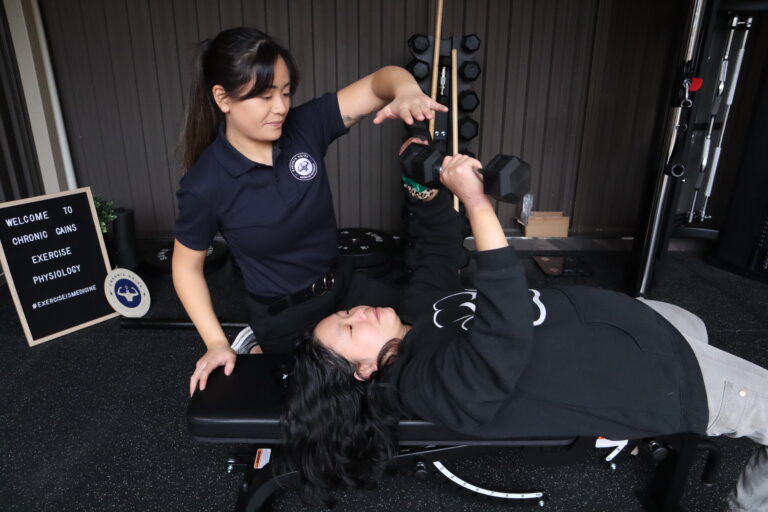
Exercise physiology uses targeted, evidence-based exercise to treat injuries and chronic conditions.
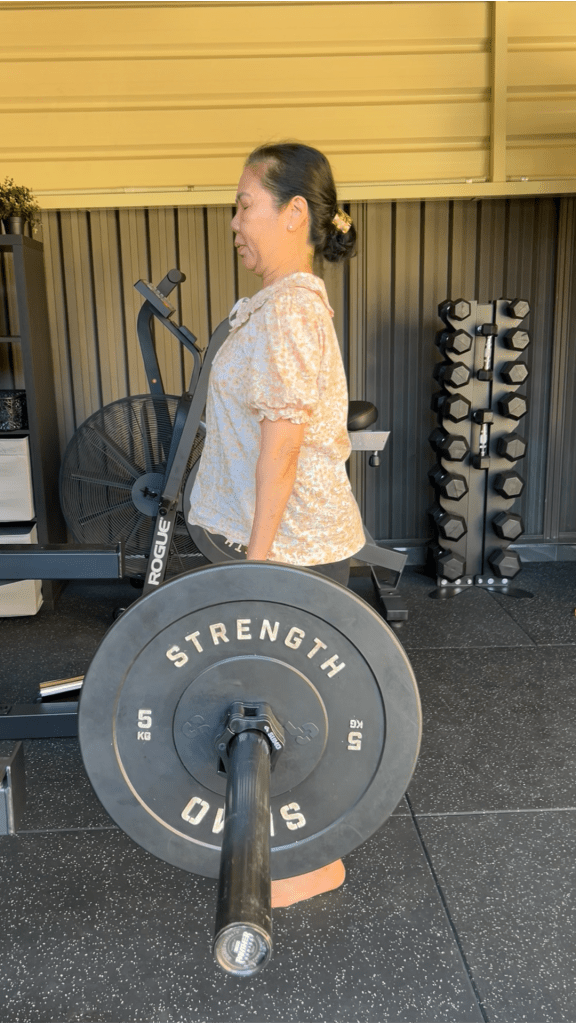
At Chronic Gains, this means:
- Individualised assessments
- Structured rehabilitation programs
- Progress tracking and load management
Our approach aligns with ACSM principles of exercise prescription, including frequency, intensity, time, and type.
How Exercise Supports Recovery
Exercise is not just about getting stronger. It helps:
- Restore joint mobility
- Improve muscular strength and endurance
- Reduce pain sensitivity
- Improve confidence and movement control
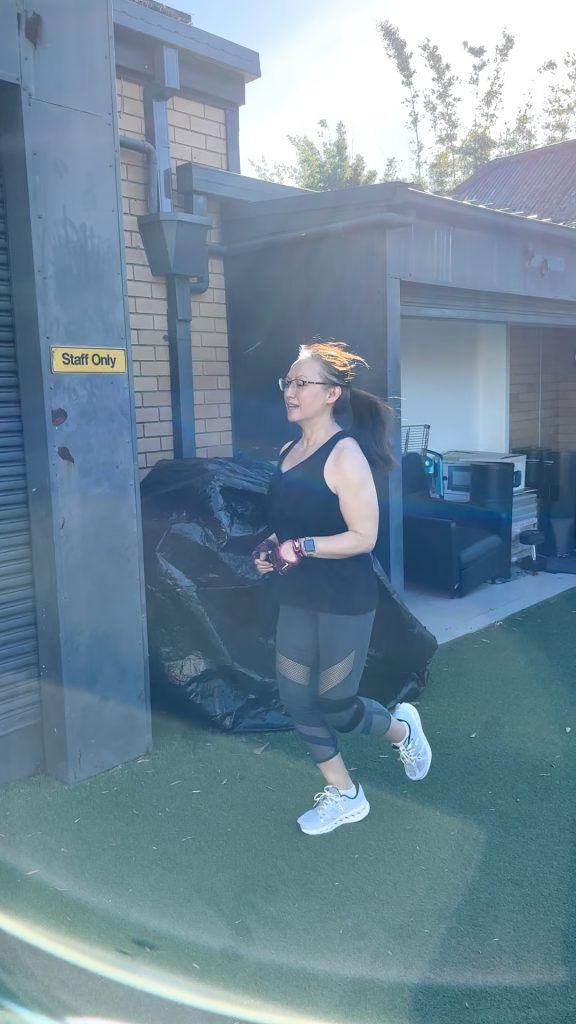
This combination is critical for safe return-to-work outcomes.
Tailored Programs for Workplace Injuries
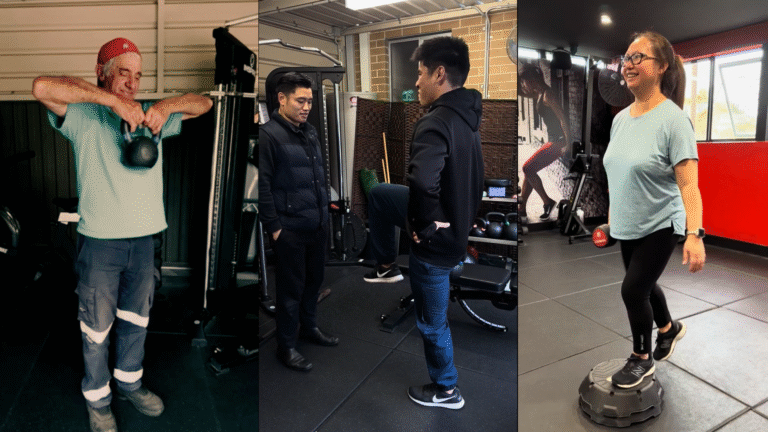
Every injury is different. A warehouse worker and an office worker require completely different rehabilitation strategies.
That is why we tailor programs based on:
- Job demands
- Injury type
- Current capacity
- Return-to-work goals
Explore how our Workers Compensation rehabilitation programs support safe recovery.
Gradual Return-to-Work: What It Should Look Like
Step 1: Restore Baseline Function
Before returning to work, you need:
- Pain under control
- Basic strength and mobility restored
- Ability to perform daily tasks confidently
This stage focuses on rebuilding your foundation.
Step 2: Build Work-Specific Capacity
Once baseline function is restored, the focus shifts to:
- Job-specific movements
- Load tolerance
- Endurance
For example:
- Lifting tasks for manual workers
- Sitting tolerance and posture for office workers
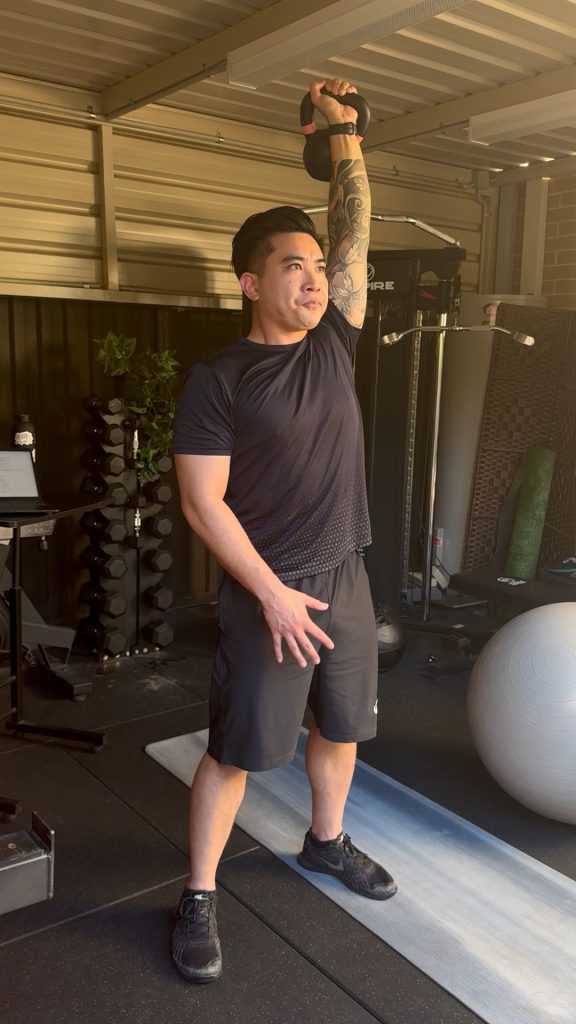
This phase bridges the gap between rehab and real work demands.
Our functional strengthening treatments are designed to replicate real-world tasks safely.
Step 3: Graduated Return-to-Work
A safe return-to-work plan should include:
- Reduced hours initially
- Modified duties
- Gradual increase in workload
This approach allows your body to adapt without overload.
Step 4: Full Return with Monitoring
Even after returning fully, monitoring is essential.
Ongoing support ensures:
- Early detection of warning signs
- Continued progression
- Long-term success
Preventing Re-Injury Long Term
Strength Is Your Safety Net
Strength training is one of the most effective ways to prevent re-injury.
Stronger muscles:
- Support joints
- Absorb load
- Improve movement efficiency
ACSM highlights resistance training as essential for musculoskeletal health and injury prevention .
Movement Quality Matters
It is not just about strength. How you move matters.
Improving:
- Lifting technique
- Posture
- Coordination
Consistency Over Perfection
The biggest mistake people make is stopping exercise once pain disappears.
Long-term consistency is key to:
- Maintaining strength
- Preventing future injuries
- Supporting overall health
Ongoing Support and Progression
Rehabilitation should not stop when pain stops.
Ongoing progression ensures continued improvement and resilience.
Our clients often continue with structured programs through our exercise physiology assessments to maintain long-term results.
Quick Comparison Table
| Approach | Returning Too Early | Structured Rehab Approach |
|---|---|---|
| Recovery Speed | Short-term faster | Sustainable long-term recovery |
| Risk of Re-Injury | High | Low |
| Strength & Capacity | Limited | Fully restored |
| Confidence | Low | High |
| Long-Term Outcomes | Poor | Optimal |
Expert Insight
Pro Tip: According to ACSM, progressive overload and gradual exposure to activity are essential for safe rehabilitation. Increasing load too quickly is one of the leading causes of re-injury, particularly in musculoskeletal conditions .
Frequently Asked Questions
Q: How soon can I return to work after an injury?
A: It depends on your injury and recovery progress. A safe return should only occur once you can meet the physical demands of your job without significant pain or compensation.
Q: Do I need exercise physiology for workplace injuries?
A: Yes. Exercise physiology provides structured, evidence-based rehabilitation that improves recovery outcomes and reduces re-injury risk.
Q: What if I still have pain when returning to work?
A: Mild discomfort can be normal, but persistent or worsening pain should be addressed. A graded return-to-work plan helps manage this safely.
Q: Can I prevent re-injury completely?
A: While no approach guarantees zero risk, proper rehabilitation, strength training, and load management significantly reduce the likelihood of re-injury.
Next Steps
If you have been injured at work, the most important step is getting the right support early. A structured, evidence-based approach can make the difference between a full recovery and ongoing setbacks.
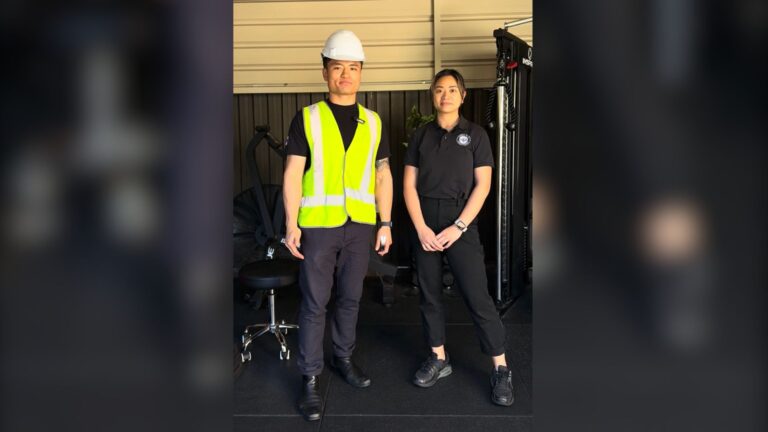
At Chronic Gains, we work with clients across Bankstown and Sydney to rebuild strength, restore confidence, and support safe return-to-work outcomes.
Book an assessment today and take the first step towards a stronger, safer recovery.
Author Bio
Chronic Gains Exercise Physiology is a Sydney-based allied health provider specialising in rehabilitation, chronic condition management, and return-to-work programs.
We support individuals across Bankstown and greater Sydney through evidence-based exercise interventions designed to improve strength, reduce pain, and restore independence.