[PRIVATE] Hip Pain on Stairs or in Bed? Strength Steps That Help
Hip pain on stairs or in bed? Learn common causes, how graded glute and thigh strengthening works, and when to see your GP or book an assessment in Bankstown.

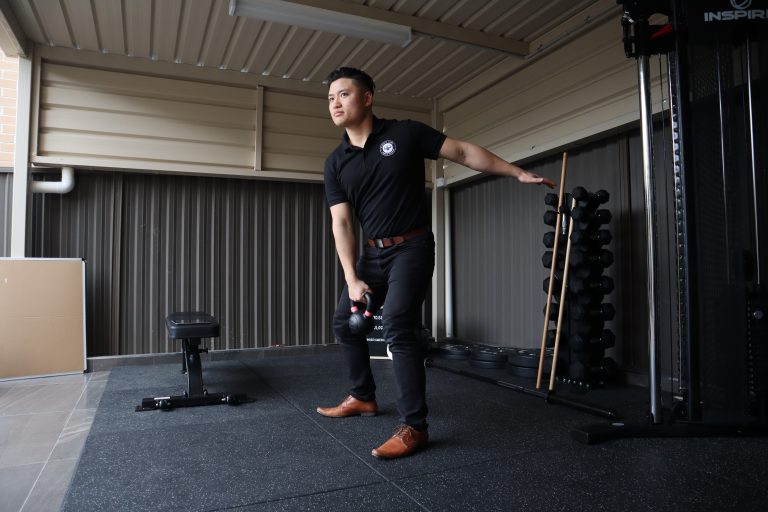
Hip pain on stairs or in bed? Learn common causes, how graded glute and thigh strengthening works, and when to see your GP or book an assessment in Bankstown.
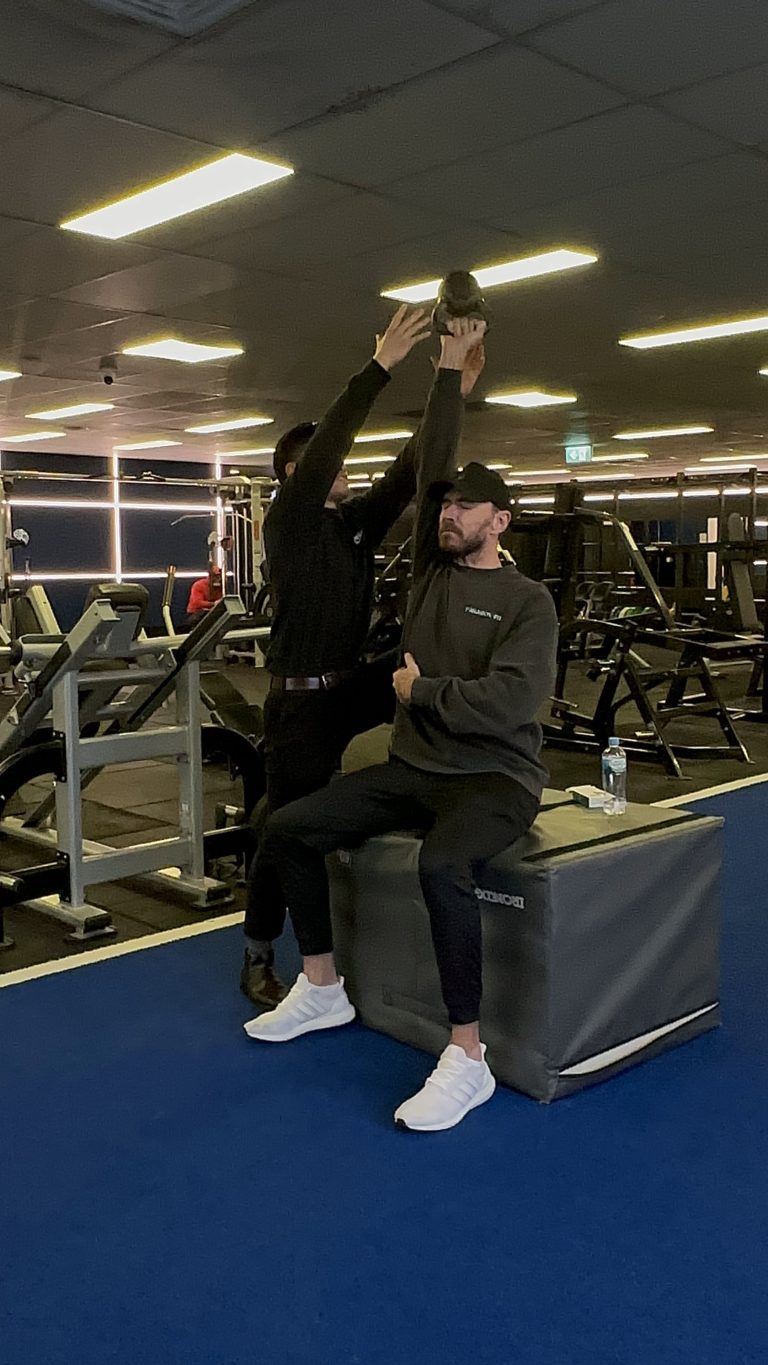
A phase-by-phase guide to rotator cuff surgery rehab, from the sling period to strengthening and return to work, and how an Exercise Physiologist supports your surgeon’s plan.
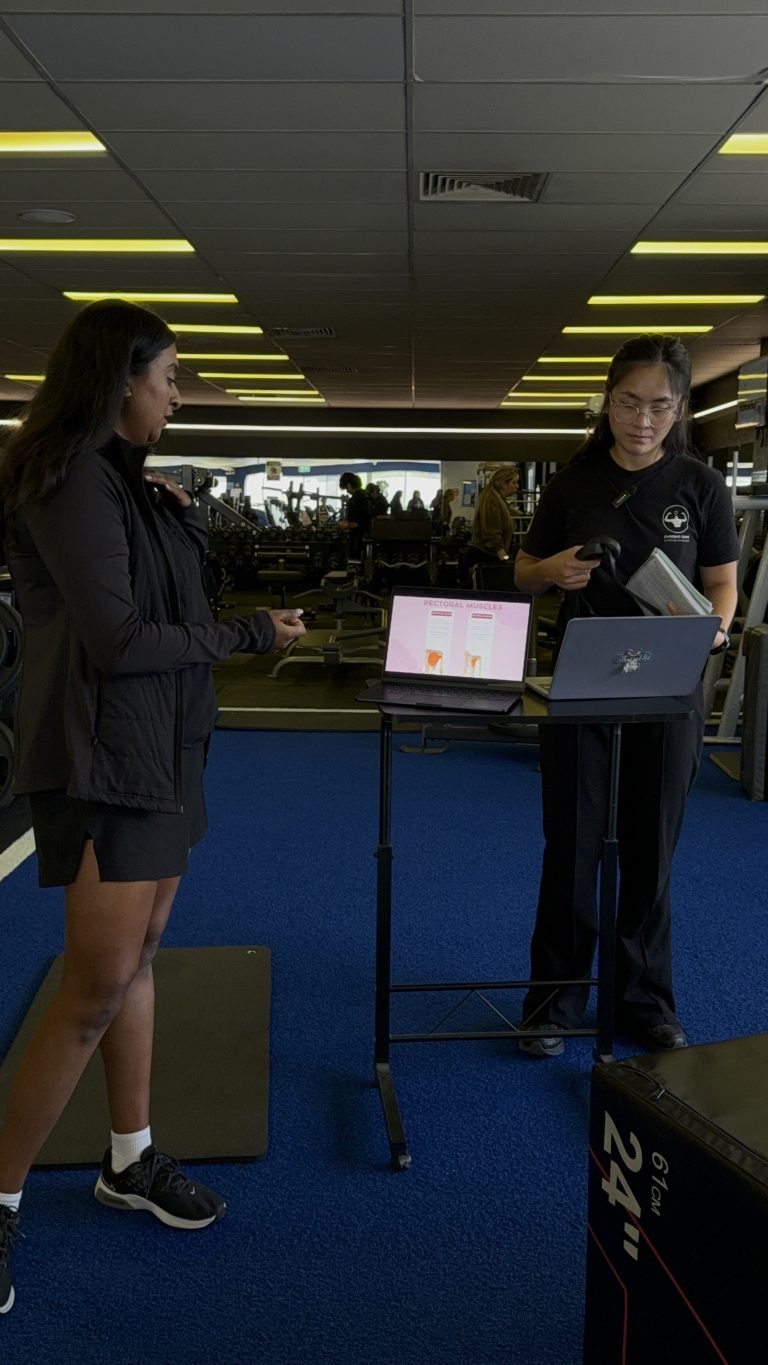
Allied health visits without insurer pre-approval on NSW workers compensation claims dropped from 8 to 4 on 1 October 2026. Here’s how to make each session count.
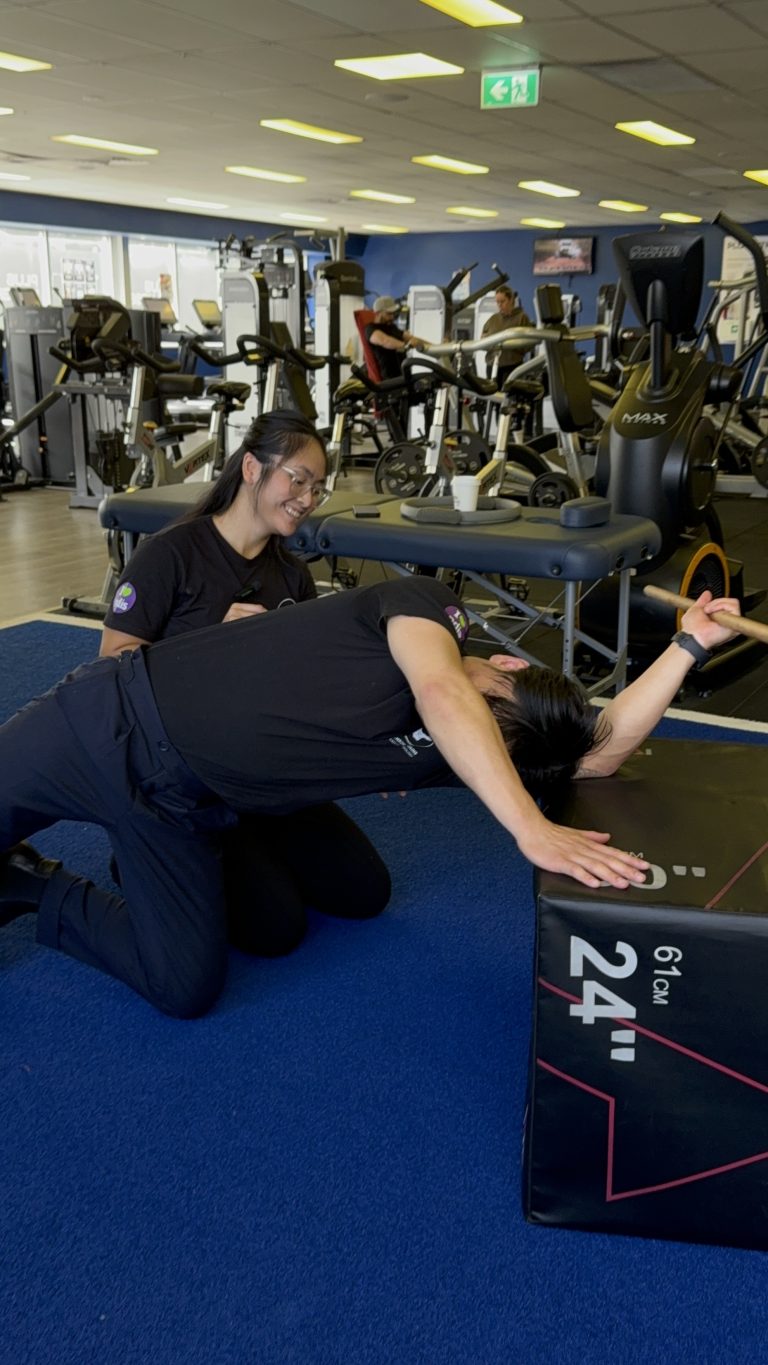
New NSW psychological injury rules apply to claims from 1 July 2026. Learn how graded exercise can support recovery planning, and why starting early matters.

Quick Answer Exercise physiologists and physiotherapists both help you recover and move better, but they work differently. Physiotherapists focus on diagnosing and treating pain or injury through hands-on techniques, especially in the early stages. Exercise physiologists use structured, evidence-based exercise programs to build long-term strength, function, and independence, particularly for chronic conditions and post-injury recovery….
Quick Answer: For most soft tissue injuries, complete rest is rarely the best approach. Evidence-based rehabilitation favours early, graded movement over prolonged inactivity — but the right balance depends on your injury type, severity, and stage of healing. A structured assessment from a qualified Exercise Physiologist in Bankstown or across NSW can help you move…
Quick Answer Returning to work after a workplace injury in Sydney requires a structured, gradual, and evidence-based rehabilitation plan. A safe return involves progressive exercise, load management, and professional guidance to reduce the risk of re-injury and restore full function. Introduction Workplace injuries can disrupt more than just your job. They impact your income, confidence,…

Quick Answer If your injury is not healing, it is usually because your body is either underloaded, overloaded, inflamed, or not supported with the right recovery inputs. True injury recovery requires progressive, targeted exercise, adequate load management, circulation, sleep, and metabolic support. Evidence from ACSM shows that appropriate, individualised exercise is essential for tissue repair…

Quick Answer Exercise Physiology (EP) for people with disability focuses on building physical strength, safety, and independence through personalised and evidence-based programs. Accredited Exercise Physiologists (AEPs) work closely with clients under the NDIS, Medicare or private pathways to improve function, reduce pain, and enhance quality of life. Introduction Living with a disability can come with…

Quick Answer: Exercise Physiology (EP) is an evidence‑based health service that uses personalised movement‑based interventions to reduce pain, improve function, enhance metabolic health, and boost quality of life for people with chronic conditions. It supports long‑term management of back pain, arthritis and diabetes through tailored exercise prescription, education and ongoing support. Introduction Living with a…