[PRIVATE] Rotator Cuff Surgery Rehab: Your Shoulder Recovery Timeline
Quick Answer
Rotator cuff surgery rehab usually runs in phases over several months, and your surgeon’s protocol sets the pace. Most programs begin with a protective sling period, move to gentle assisted movement, then add strengthening before a gradual return to daily tasks and work. Timelines differ from person to person, depending on the repair and your overall health. An Exercise Physiologist can turn your surgeon’s plan into a practical weekly program. If you’re in Bankstown or greater Sydney, we can help.
Introduction
You’ve got a surgery date booked, or you’re a few days out of theatre with your arm in a sling. Now the questions start. When can I drive? When can I lift a kettle again? What am I actually meant to be doing?
These are completely normal questions. The shoulder is a complex joint, and a repaired rotator cuff (the group of tendons that steady and move your shoulder) needs time to heal. Rushing it can be a problem. So can doing nothing for too long.
This guide walks through the typical phases of recovery, where an Exercise Physiologist fits alongside your surgeon, and what to ask at your first rehab session. Your surgeon’s instructions always come first.
Table of Contents
- Why This Matters
- Rotator Cuff Surgery Rehab: The Phase-by-Phase Timeline
- Where an Exercise Physiologist Fits Alongside Your Surgeon
- What to Ask at Your First Rehab Session
- Protecting Your Shoulder Day to Day
- Quick Comparison Table
- Expert Insight
- Frequently Asked Questions
- Next Steps
Why This Matters
- Protecting the repair: The tendon needs to heal before it’s loaded. Following the staged plan helps avoid putting too much strain on it too soon.
- Avoiding stiffness: Shoulders can become stiff after surgery. Guided, surgeon-approved movement at the right time helps keep the joint moving.
- Rebuilding strength safely: Strength returns gradually. A structured plan helps you build up without guesswork.
- Getting back to what matters: Dressing, cooking, driving, hobbies and work all depend on a shoulder you can trust.
- Using your cover wisely: Many people can claim part of their sessions through private health extras. Others may be eligible for a plan through Medicare chronic disease management if they have a qualifying chronic condition. Check with your fund or GP.
Rotator Cuff Surgery Rehab: The Phase-by-Phase Timeline
Every surgeon has their own protocol. The size of the tear, the type of repair and your health all change the plan. Think of the phases below as a general map, not a schedule.
Phase 1: Protection (the sling period)
For the first several weeks, your surgeon will usually ask you to wear a sling and avoid actively lifting the arm. The goal is to let the repair settle.
- Typically allowed: Moving your elbow, wrist and hand, and gentle posture work for your neck and upper back.
- Often avoided: Lifting the arm using its own muscles, reaching behind you, and carrying anything.
- Focus: Pain management, sleep positioning, and keeping the rest of your body active.
Phase 2: Early gentle mobility
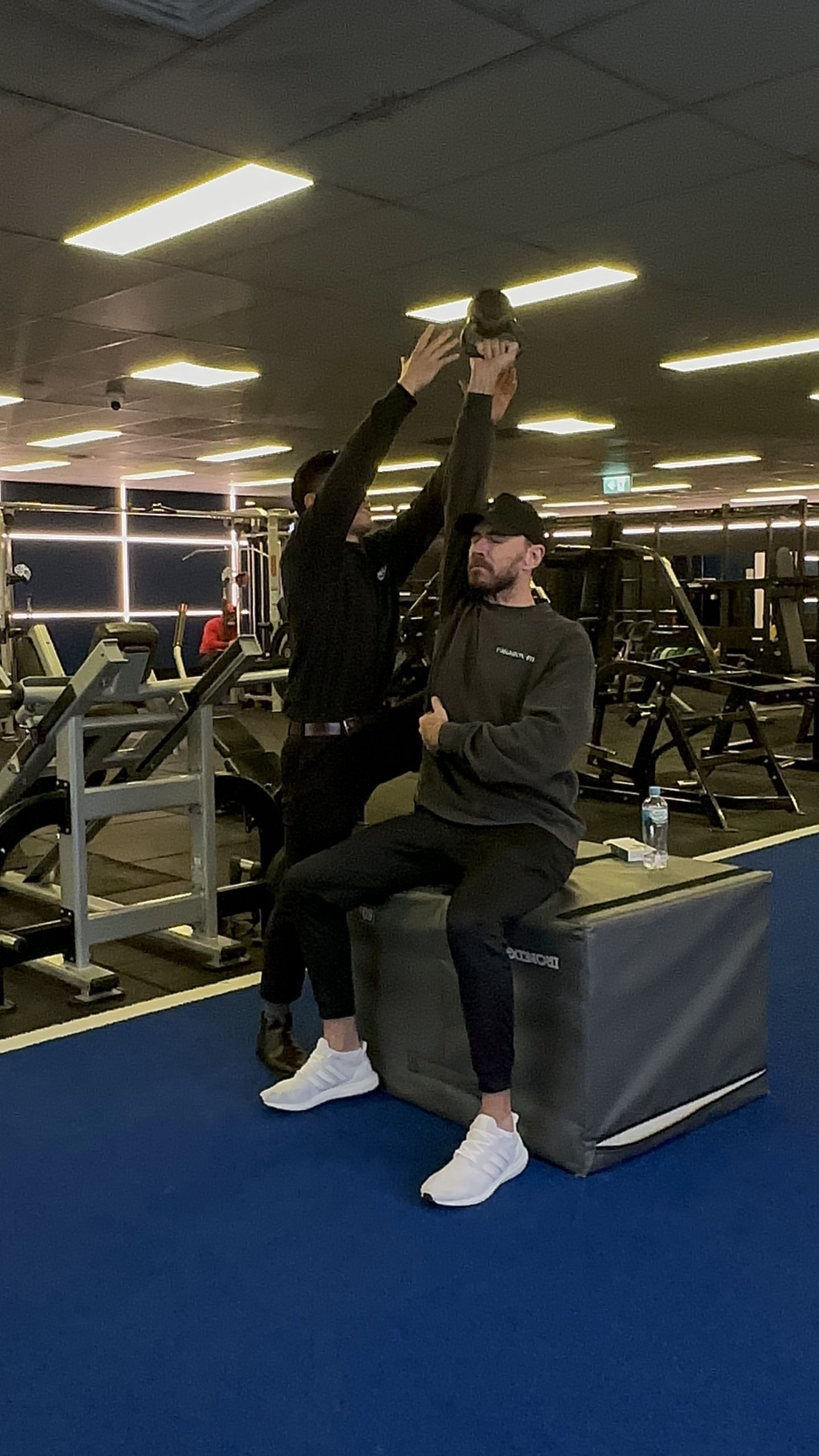
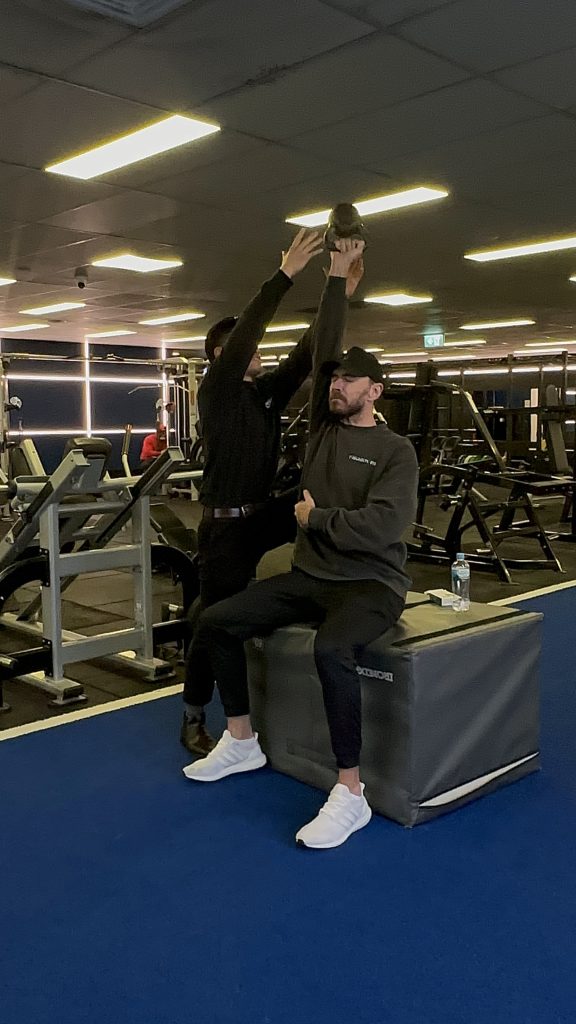
Once your surgeon gives the go-ahead, movement usually starts with help. This is often called passive or active-assisted movement, where another person or your other arm does most of the work.
- Pendulum-style or table-slide movements, if your surgeon approves them.
- Assisted lifting and rotation within limits set by your surgeon.
- Gradual progression towards moving the arm on its own.
Phase 3: Strengthening
Strengthening generally begins only once your surgeon is happy with healing. It usually starts light, with a focus on the rotator cuff and the muscles around the shoulder blade. Then it builds slowly.
- Light resistance bands or small weights.
- Exercises for the upper back, shoulder blade and core.
- More challenging positions as control and comfort improve.
Phase 4: Return to daily tasks and work
The final phase is about function. We practise the tasks you actually do, such as reaching into cupboards, lifting shopping, carrying a bag or working at height. For physical jobs, a gradual return plan is usually agreed with your surgeon and employer.
Overall, rehab typically takes months rather than weeks. Some people feel comfortable in daily life sooner, while heavier or overhead tasks often take longer. We can’t predict your timeline, but we can help you work through each stage.
Where an Exercise Physiologist Fits Alongside Your Surgeon
Your surgeon decides what’s safe and when. An Exercise Physiologist helps you carry that plan out week to week. We’re university-trained in exercise as a treatment for injury and long-term health conditions.
What we can help with
- Turning the protocol into a plan: We build sessions that match your surgeon’s limits and milestones.
- Teaching technique: Small changes in how you move can make exercises more comfortable and effective.
- Keeping the rest of you fit: Walking, leg strength and general fitness often continue during shoulder recovery, within your surgeon’s guidance.
- Progressing at the right time: We track how your shoulder responds and adjust. If something doesn’t feel right, we get in touch with your surgeon.
Our exercise physiology for injury rehabilitation is individual. If your shoulder has been a long-term problem, our chronic injuries treatment page explains more.
What to Ask at Your First Rehab Session
Bring your surgeon’s discharge notes or rehab protocol if you have them. Then use this list to get clear.
- What does my surgeon’s protocol say about each phase, and what are the current limits?
- Which movements should I avoid right now?
- How often should I do my home exercises, and what should they feel like?
- What’s normal discomfort, and what should I report to my surgeon?
- How will we know when it’s time to move to the next phase?
- What are my goals, such as driving, gardening, lifting grandchildren or going back to work, and how do we plan for them?
- When is my next surgeon review, and how will we share updates?
Good rehab is a team effort. Your surgeon, GP and Exercise Physiologist should all be working from the same page.
Protecting Your Shoulder Day to Day
- Sleep support: Many people find a reclined position with pillows more comfortable early on. Ask your surgeon what they recommend.
- Keep moving: Short walks, if cleared, can help with mood, sleep and circulation.
- Set up your home: Move everyday items to waist height so you’re not reaching overhead.
- Pace yourself: Good days can tempt you to do too much. Steady progress usually works better than big bursts.
Plenty of our clients travel from nearby suburbs like Revesby and Greenacre, so planning around appointments and transport is something we’re used to.
Quick Comparison Table
| Phase | General focus | Typical activities |
|---|---|---|
| 1. Protection | Let the repair settle | Sling, hand and elbow movement, walking if cleared |
| 2. Early mobility | Restore gentle movement | Assisted lifting and rotation within set limits |
| 3. Strengthening | Build control and strength | Light bands, shoulder blade and upper back work |
| 4. Return to function | Daily tasks and work | Reaching, lifting and job-specific practice |
Timing for each phase is set by your surgeon and varies between people.
Expert Insight
Pro Tip: At Chronic Gains, we encourage people to book their first rehab session before surgery if they can. Meeting early means we can learn your goals, show you what to expect and be ready to start as soon as your surgeon gives the green light. Always bring the surgeon’s protocol, and let us know if it changes.
Frequently Asked Questions
How long does rotator cuff surgery rehab take?
Rehab typically runs for months, but the exact time depends on your repair, your surgeon’s protocol and your health. Some people return to everyday tasks earlier than heavier or overhead activities. Your surgeon is the best person to guide your timeline.
When can I start exercising after surgery?
Many people can start gentle exercise for the rest of the body soon after surgery, but shoulder movement must follow your surgeon’s instructions. Don’t start strengthening on your own. We can help you work out what’s appropriate at each stage.
Do I need to see an Exercise Physiologist as well as my surgeon?
Not everyone does, but many people find supervised rehab helpful for structure, technique and confidence. Your surgeon remains in charge of the overall plan. We work alongside them.
Can I use private health insurance or Medicare for rehab?
Many private health funds offer rebates for Exercise Physiology under extras cover, depending on your policy, so check your level of cover and any annual limits. If you have a chronic condition, your GP may be able to discuss a Medicare chronic disease management plan. Eligibility varies, so speak with your GP.
Next Steps
Recovering from rotator cuff surgery takes patience, and having a clear plan makes it easier. Follow your surgeon’s protocol, move through each phase at the right time, and ask questions along the way. If you’d like support from a team in Bankstown that works with your surgeon’s plan, you can also browse all our services. Book an assessment
Author Bio
Chronic Gains is an Exercise Physiology practice located inside Plus Fitness Bankstown, Sydney. We provide evidence-based exercise rehabilitation for musculoskeletal injuries and chronic health conditions, and support clients funded through NDIS, Workers Compensation, CTP, Medicare and private health across NSW.
This article is general information only and is not a substitute for individual advice. Speak with your GP or treating health professional about your situation.