Work Stress Injury Claim Changes: How Exercise Supports Recovery
New NSW psychological injury rules apply to claims from 1 July 2026. Learn how graded exercise can support recovery planning, and why starting early matters.

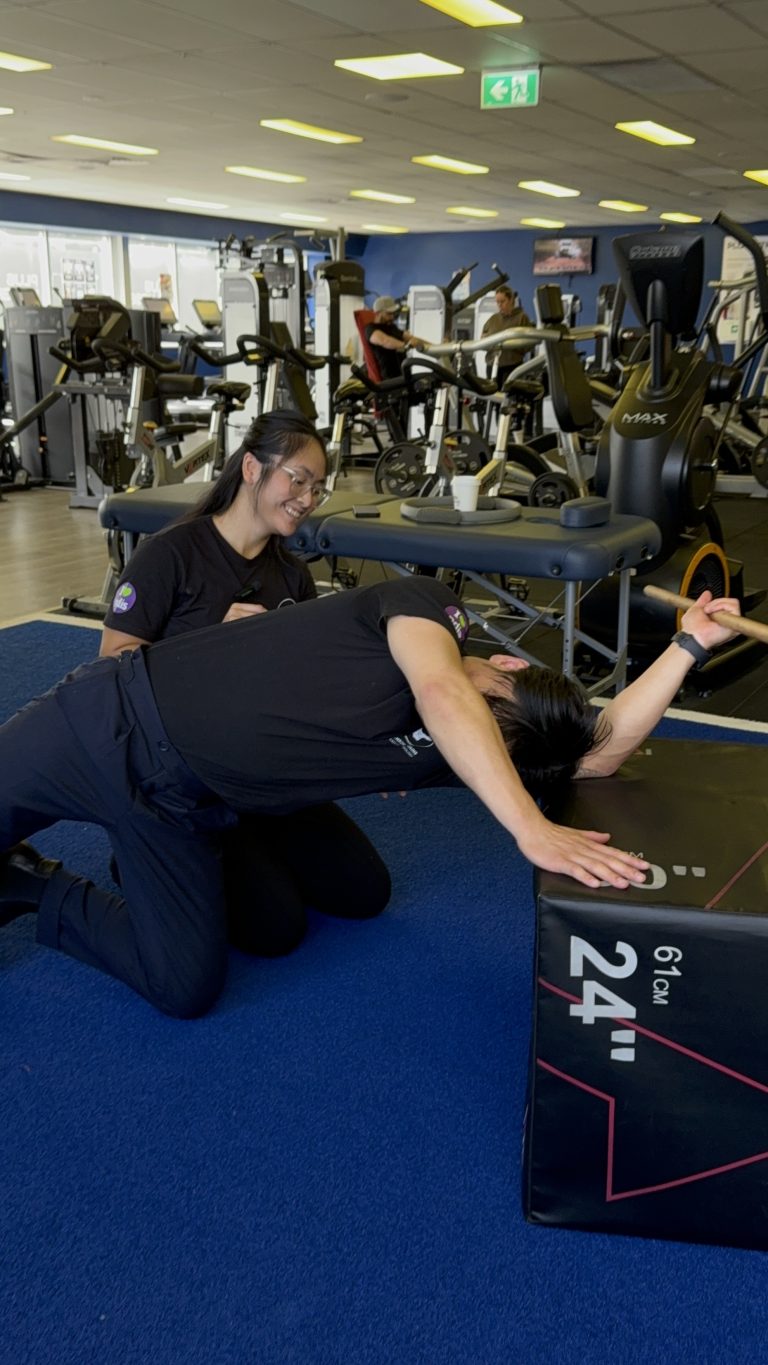
New NSW psychological injury rules apply to claims from 1 July 2026. Learn how graded exercise can support recovery planning, and why starting early matters.
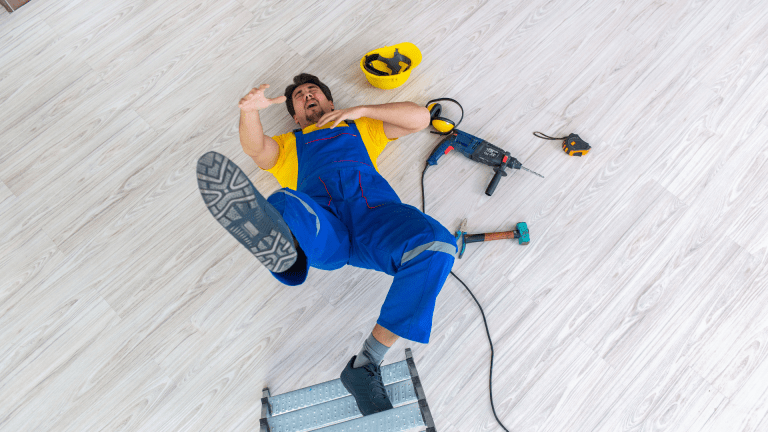
Quick Answer Returning to work after a workplace injury in Sydney requires a structured, gradual, and evidence-based rehabilitation plan. A safe return involves progressive exercise, load management, and professional guidance to reduce the risk of re-injury and restore full function. Introduction Workplace injuries can disrupt more than just your job. They impact your income, confidence,…

Quick Answer Exercise Physiology (EP) for people with disability focuses on building physical strength, safety, and independence through personalised and evidence-based programs. Accredited Exercise Physiologists (AEPs) work closely with clients under the NDIS, Medicare or private pathways to improve function, reduce pain, and enhance quality of life. Introduction Living with a disability can come with…
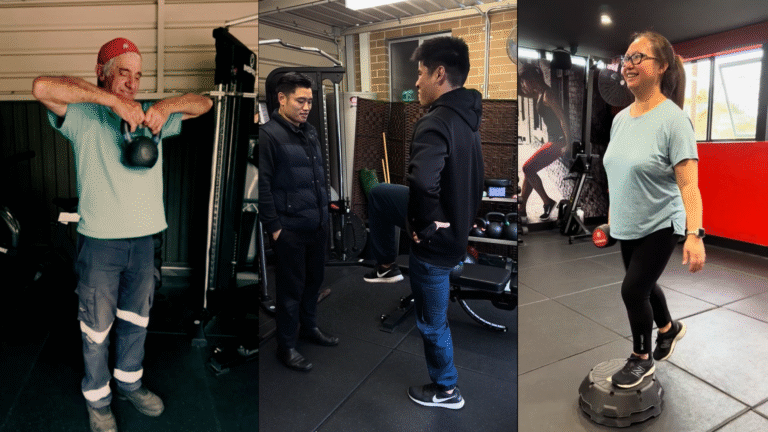
Quick Answer: Exercise Physiology (EP) plays a vital role in supporting mental health during WorkCover rehabilitation by improving mood, reducing stress and anxiety, boosting motivation and confidence, and facilitating stronger return‑to‑work outcomes. Introduction When a workplace injury occurs, the primary focus often falls on healing the physical damage. However, the journey of rehabilitation under a…
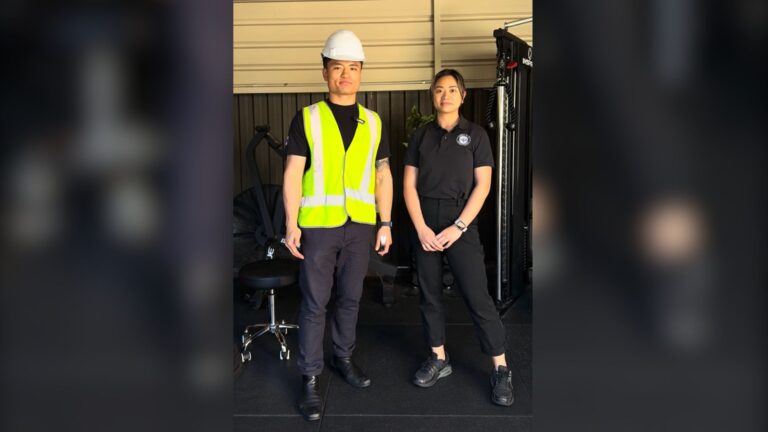
Delays in recovery. Spiralling claim costs. Workers disengaged from their roles and identities. This is the reality for many people injured at work, and for the teams managing their rehabilitation. But what if there was a clear, research-supported strategy that improves recovery speed, reduces treatment costs, and helps injured workers return to meaningful work earlier?…
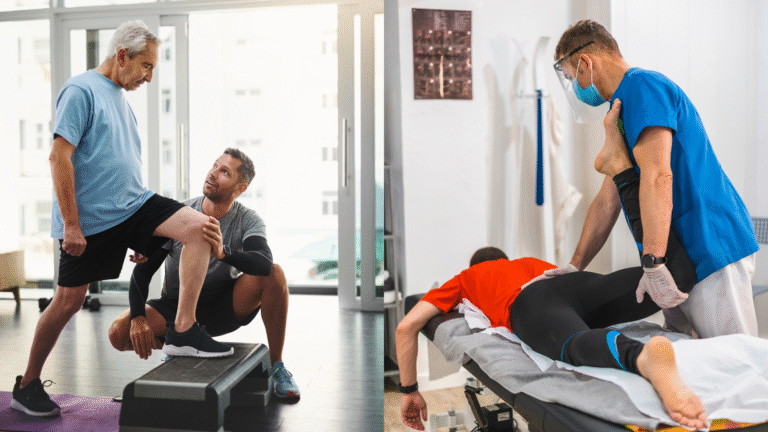
If you’ve ever been injured at work, you’ll know how overwhelming the recovery process can feel. Pain, reduced function, and time away from work all take their toll — not just physically, but mentally and financially too. In these moments, having the right healthcare team makes all the difference. Two of the most important professionals…
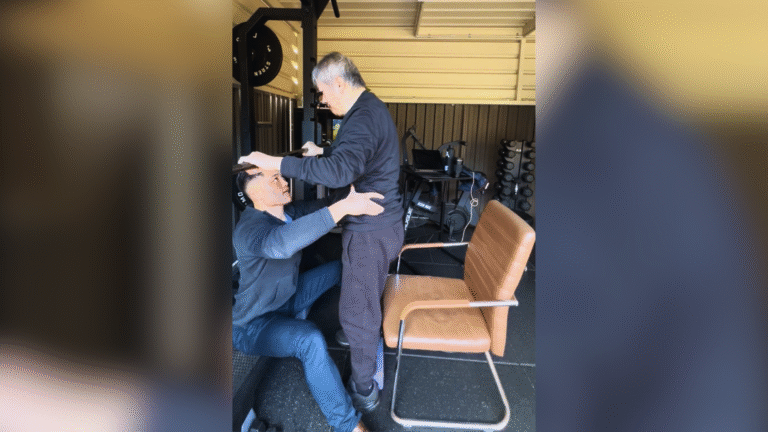
Introduction Every person living with a disability has different strengths, challenges, and goals. That’s why exercise under the NDIS is never a matter of “one-size-fits-all.” Instead, it’s about identifying which physical qualities — power, speed, mobility, or balance — matter most for daily life, and then building a program that supports them in a safe…
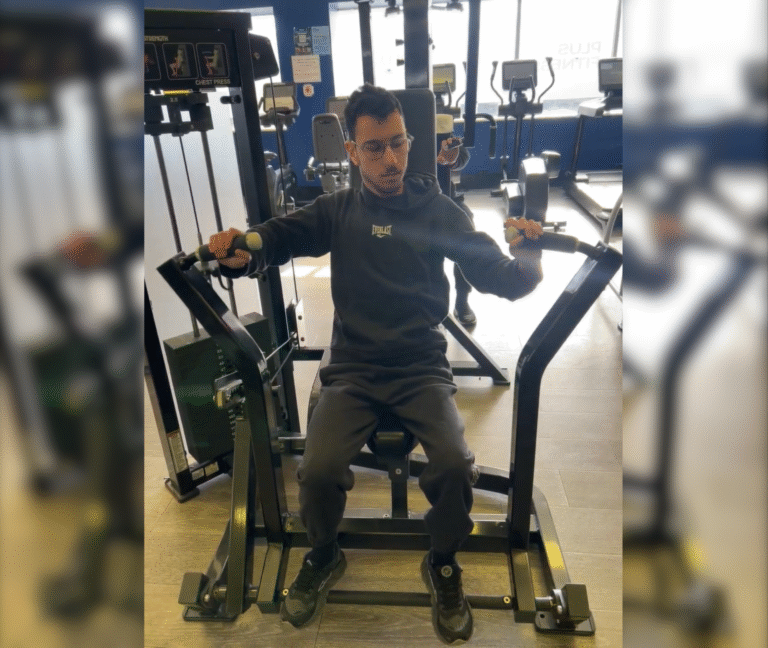
Introduction When most people think about exercise, they imagine a straight line: start at one point, keep pushing harder, and eventually you’ll get stronger or fitter. But real life — and especially life with a disability or chronic condition — isn’t that simple. Some days you feel capable of more. Other days, fatigue, pain, or…
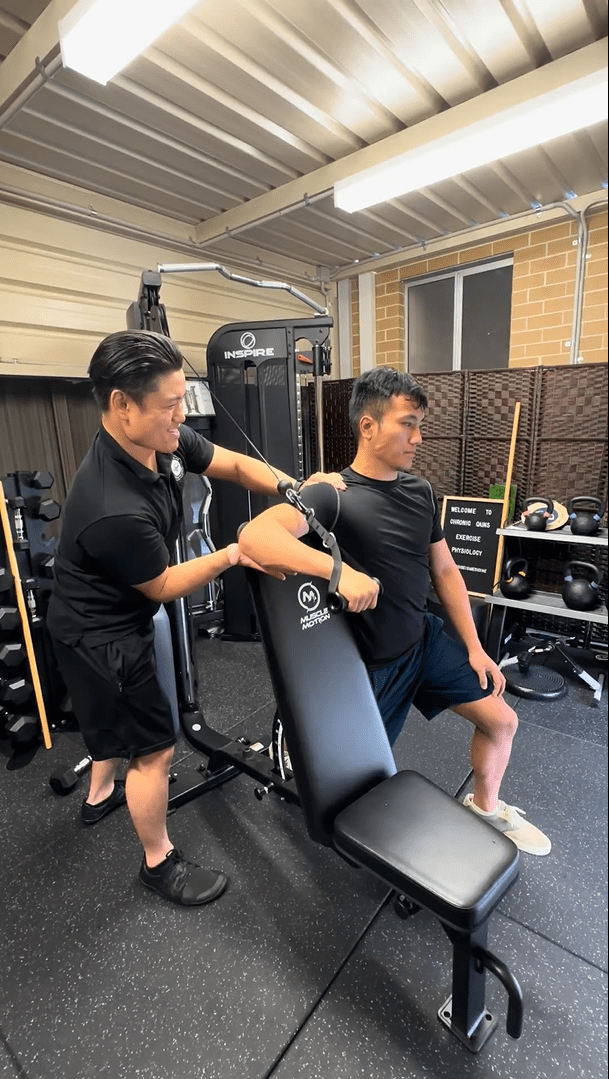
Introduction When you’re living with a disability, exercise isn’t just about “getting fit.” It’s about moving safely, building confidence, and reclaiming independence. For participants in Bankstown and across Sydney, exercise physiology within the NDIS isn’t about ticking boxes — it’s about ensuring every movement supports your health and life in the safest and most effective…

Introduction Have you ever noticed how stiff your shoulders feel after sitting too long at a desk, or how tight your back gets after a long car ride? Now imagine that stiffness lasting all day, every day—that’s the reality many people living with a disability face. Here’s the thing: stretching and flexibility work aren’t just…