[PRIVATE] Hip Pain on Stairs or in Bed? Strength Steps That Help
Hip pain on stairs or in bed? Learn common causes, how graded glute and thigh strengthening works, and when to see your GP or book an assessment in Bankstown.

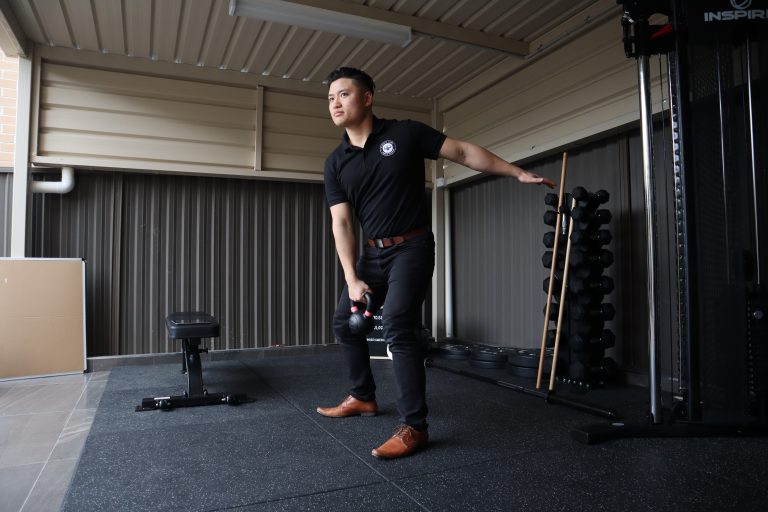
Hip pain on stairs or in bed? Learn common causes, how graded glute and thigh strengthening works, and when to see your GP or book an assessment in Bankstown.
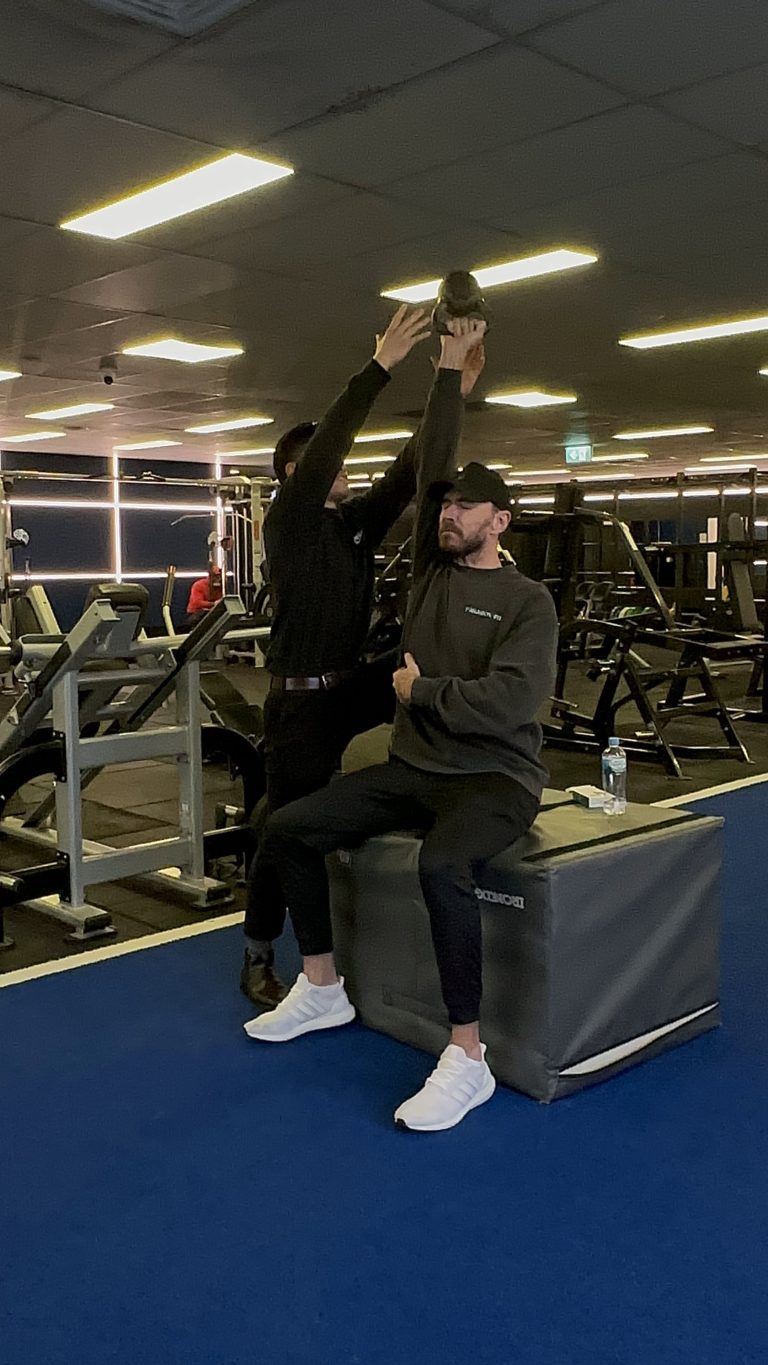
A phase-by-phase guide to rotator cuff surgery rehab, from the sling period to strengthening and return to work, and how an Exercise Physiologist supports your surgeon’s plan.
Quick Answer: For most soft tissue injuries, complete rest is rarely the best approach. Evidence-based rehabilitation favours early, graded movement over prolonged inactivity — but the right balance depends on your injury type, severity, and stage of healing. A structured assessment from a qualified Exercise Physiologist in Bankstown or across NSW can help you move…

Quick Answer If your injury is not healing, it is usually because your body is either underloaded, overloaded, inflamed, or not supported with the right recovery inputs. True injury recovery requires progressive, targeted exercise, adequate load management, circulation, sleep, and metabolic support. Evidence from ACSM shows that appropriate, individualised exercise is essential for tissue repair…

Quick Answer Exercise Physiology (EP) for people with disability focuses on building physical strength, safety, and independence through personalised and evidence-based programs. Accredited Exercise Physiologists (AEPs) work closely with clients under the NDIS, Medicare or private pathways to improve function, reduce pain, and enhance quality of life. Introduction Living with a disability can come with…

Quick Answer: Exercise Physiology (EP) is an evidence‑based health service that uses personalised movement‑based interventions to reduce pain, improve function, enhance metabolic health, and boost quality of life for people with chronic conditions. It supports long‑term management of back pain, arthritis and diabetes through tailored exercise prescription, education and ongoing support. Introduction Living with a…
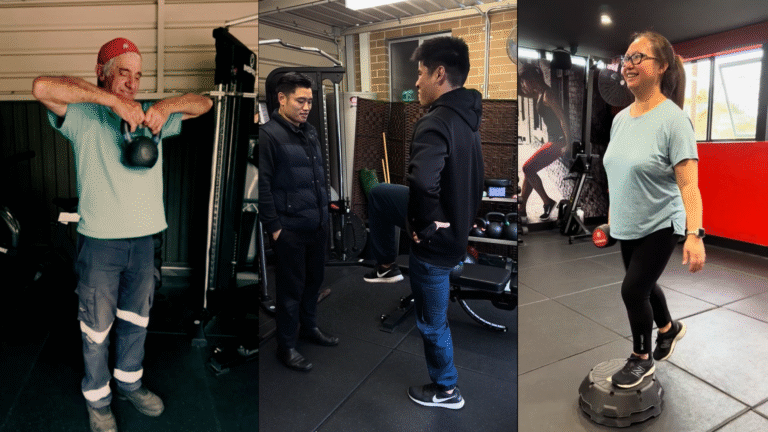
Quick Answer: Exercise Physiology (EP) plays a vital role in supporting mental health during WorkCover rehabilitation by improving mood, reducing stress and anxiety, boosting motivation and confidence, and facilitating stronger return‑to‑work outcomes. Introduction When a workplace injury occurs, the primary focus often falls on healing the physical damage. However, the journey of rehabilitation under a…
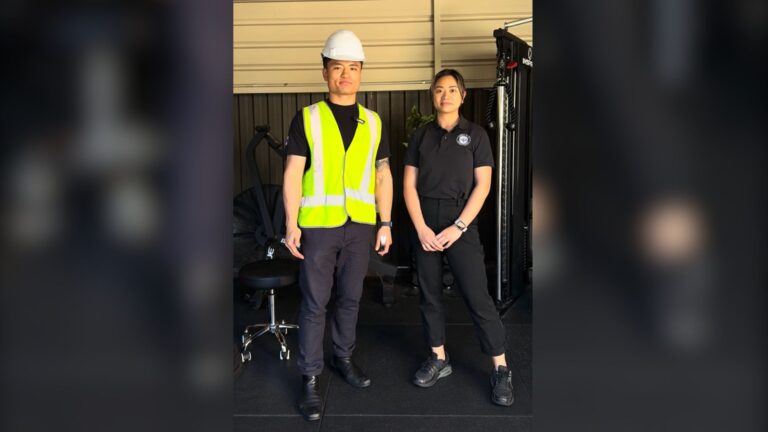
Delays in recovery. Spiralling claim costs. Workers disengaged from their roles and identities. This is the reality for many people injured at work, and for the teams managing their rehabilitation. But what if there was a clear, research-supported strategy that improves recovery speed, reduces treatment costs, and helps injured workers return to meaningful work earlier?…
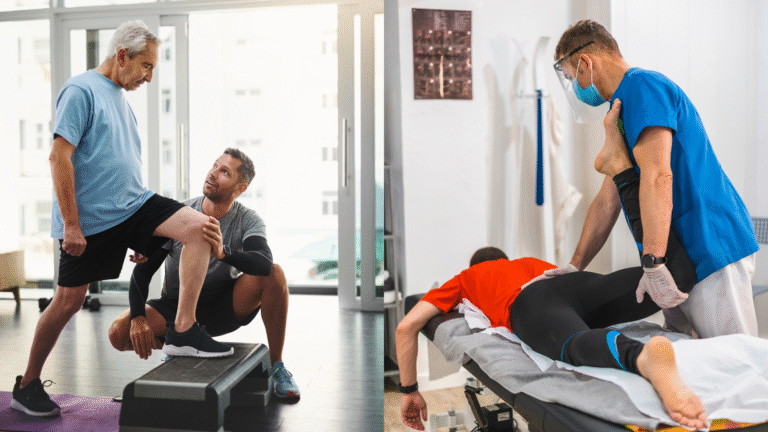
If you’ve ever been injured at work, you’ll know how overwhelming the recovery process can feel. Pain, reduced function, and time away from work all take their toll — not just physically, but mentally and financially too. In these moments, having the right healthcare team makes all the difference. Two of the most important professionals…
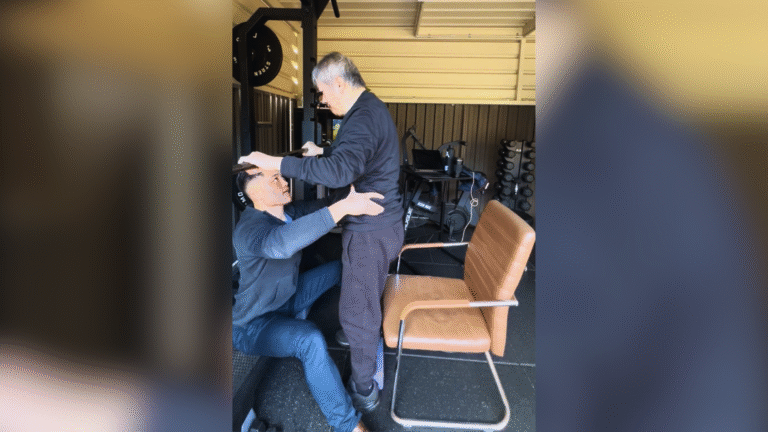
Introduction Every person living with a disability has different strengths, challenges, and goals. That’s why exercise under the NDIS is never a matter of “one-size-fits-all.” Instead, it’s about identifying which physical qualities — power, speed, mobility, or balance — matter most for daily life, and then building a program that supports them in a safe…