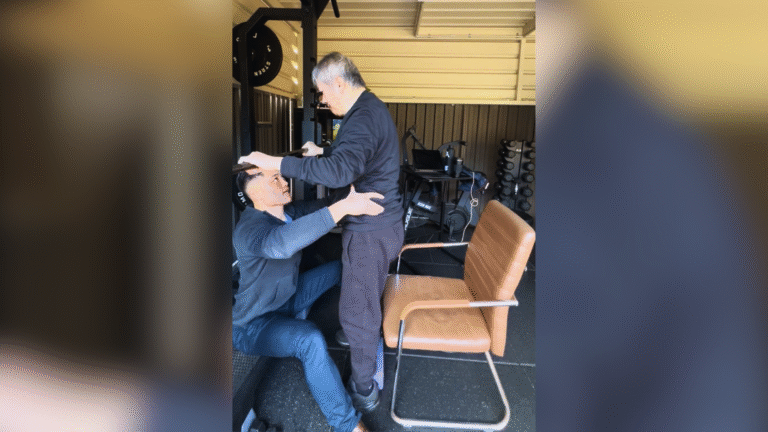
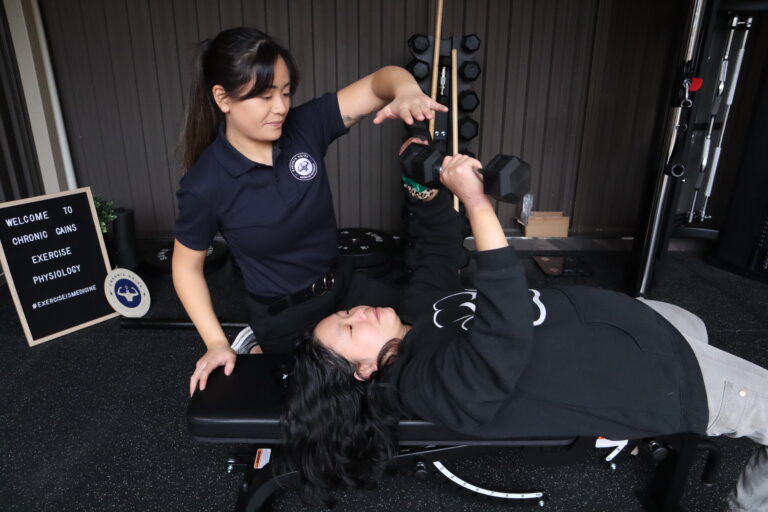
Should You Rest or Move After an Injury? The Truth About Recovery
Quick Answer:
For most soft tissue injuries, complete rest is rarely the best approach. Evidence-based rehabilitation favours early, graded movement over prolonged inactivity — but the right balance depends on your injury type, severity, and stage of healing. A structured assessment from a qualified Exercise Physiologist in Bankstown or across NSW can help you move safely from day one.
Introduction:

You rolled your ankle. You tweaked your lower back. You’re nursing a sore shoulder that won’t quit. And now you’re asking the same question everyone asks: should I rest it — or push through and keep moving?
It’s one of the most common things we hear at Chronic Gains. And the answer might surprise you.
For decades, the default advice was RICE — rest, ice, compression, elevation. Stop moving. Wait it out. Let your body heal on its own. But that advice has been heavily revised by current sports medicine research.
The truth is, for most musculoskeletal injuries, the right movement at the right time is medicine. Rest has its place — but too much of it can actually slow your recovery, weaken surrounding muscles, and increase your risk of re-injury.
Here’s what the evidence actually says.
Table of Contents
- Why This Matters
- The Problem With “Just Rest It”
- What the Evidence Says About Early Movement
- Rest vs Movement: How to Know Which One You Need
- The Role of Graded Exercise in Injury Recovery
- Comparison: Passive Rest vs Structured Rehabilitation
- Expert Insight
- FAQ
- Next Steps
Why This Matters
- Prolonged rest leads to deconditioning — muscles weaken, joints stiffen, and your cardiovascular fitness drops, even within days of inactivity.
- Re-injury rates are significantly higher when rehabilitation lacks progressive, structured loading.
- Pain alone is not a reliable indicator of tissue damage — movement guided by a clinician is far safer than avoiding all discomfort.
- Early movement reduces inflammation more effectively than rest in many soft tissue injuries, according to ACSM guidelines.
- For NDIS participants, Workers Compensation clients, and Medicare-funded patients in NSW, structured exercise rehabilitation can be both clinically superior and cost-effective compared to passive management.
The Problem With “Just Rest It”
Complete rest made sense when we didn’t understand tissue healing as well as we do now. Today, we know that muscles, tendons, and ligaments respond to mechanical load — they need stress to remodel and strengthen.
When you stop moving entirely, a few things happen:
Your injured tissue loses tensile strength faster than it heals. Surrounding muscles begin to atrophy within 48–72 hours. Your nervous system starts to perceive normal movement as threatening, which can set the stage for chronic pain patterns.
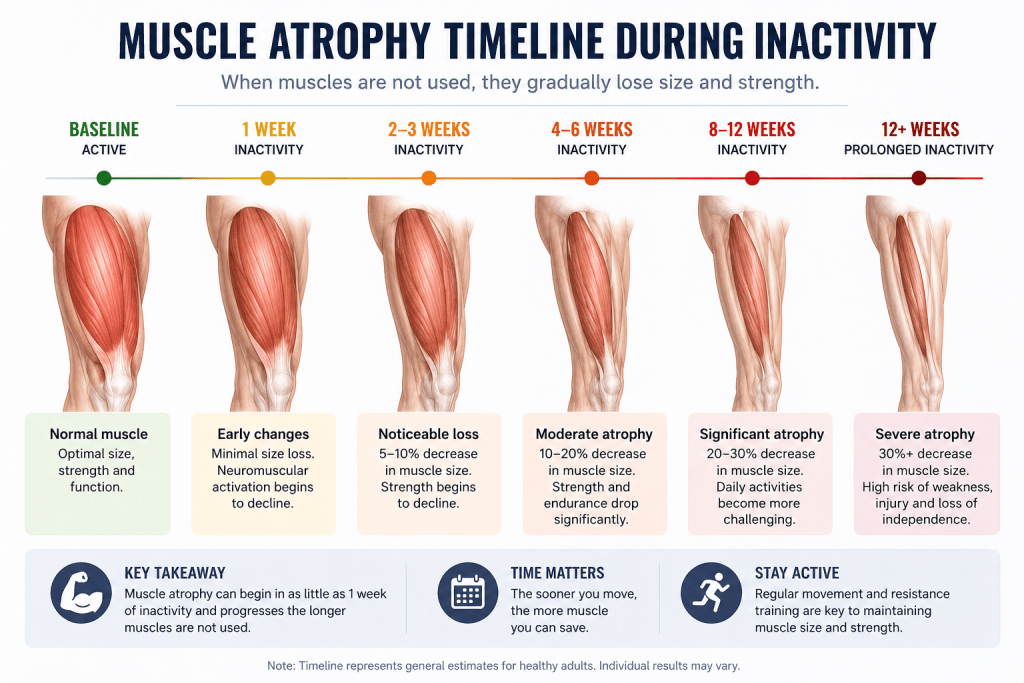
This is especially true for common injuries like lower back strains, rotator cuff tendinopathy, patellar tendon issues, and ankle sprains. For these conditions, evidence-based clinical guidelines have moved well away from rest-first management.
What the Evidence Says About Early Movement
The ACSM (American College of Sports Medicine) and current sports medicine consensus supports a concept called active recovery — using targeted, graded movement to promote tissue healing, reduce pain sensitisation, and restore function faster than rest alone.
Key findings from the research:
Lower back pain: Clinical guidelines across Australia and internationally now recommend staying as active as possible, with avoidance of bed rest for non-specific lower back injuries. Early movement is associated with shorter recovery times and lower rates of chronic pain development.
Tendinopathy: For conditions like Achilles tendinopathy or patellar tendinopathy, progressive tendon loading — not rest — is the gold standard. The research on eccentric and heavy slow resistance training for tendons is well-established and consistently shows superior outcomes compared to passive approaches.
Post-surgical rehabilitation: Following procedures like ACL reconstruction or rotator cuff repair, evidence-based protocols emphasise early range-of-motion work and progressive loading to prevent excessive scar tissue formation and muscle loss.
Rest vs Movement: How to Know Which One You Need
This is where individual assessment matters enormously. There is no one-size-fits-all answer — and this is exactly why generic advice from the internet can be dangerous.
As a general guide:
Rest may be appropriate when:
- There is acute structural damage (fractures, full tendon ruptures, significant ligament tears)
- Swelling and inflammation are severe in the first 24–72 hours
- Your clinician has specifically recommended it based on imaging or assessment findings
Movement is usually appropriate when:
- The injury is a soft tissue strain or sprain beyond the initial 48–72 hour window
- You are managing a chronic or overuse condition
- Your pain is mild to moderate and does not worsen significantly with gentle activity
- You are recovering post-surgery under a structured rehabilitation program
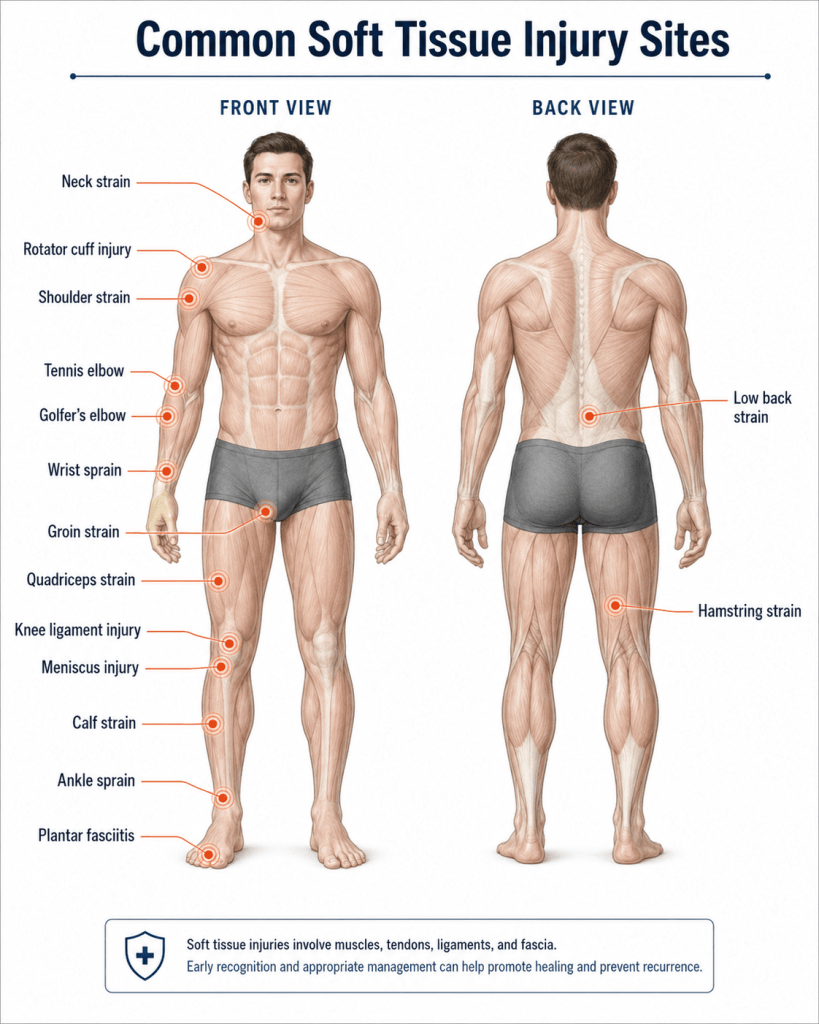
The key word here is guided movement. Unsupervised “push through it” training without clinical oversight is not the same as structured exercise rehabilitation.
The Role of Graded Exercise in Injury Recovery
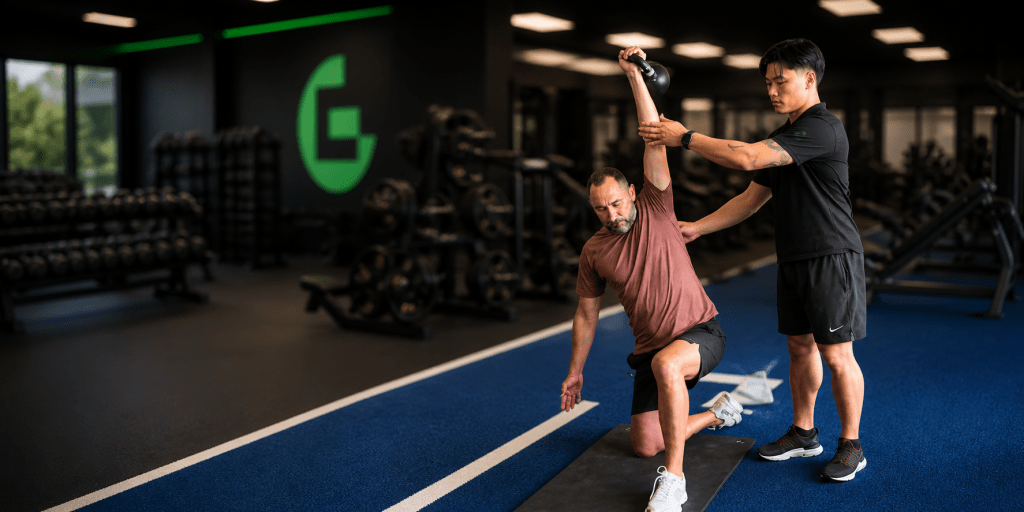
Graded exercise rehabilitation works by progressively increasing the load, volume, and intensity of movement over time — matching the demands placed on tissue to its current capacity to handle stress.
At Chronic Gains, our Exercise Physiologists use a graduated approach structured around:
Phase 1 — Pain management and tissue protection Gentle, low-load movement to manage acute symptoms, prevent deconditioning, and restore baseline range of motion.
Phase 2 — Strength and stability restoration Progressive resistance training targeting the injured area and surrounding structures, using evidence-based loading parameters aligned with ACSM recommendations.
Phase 3 — Functional and sport-specific loading Higher-intensity, task-specific training designed to prepare the tissue for the demands of daily life, work, or sport.
Phase 4 — Return to full activity A structured, criteria-based return to full function — not just pain-free movement, but genuine resilience under load.
This is not generic gym programming. It is clinical exercise prescription — individualised to your injury, your history, and your goals.
Comparison Table
| Passive Rest | Structured Rehabilitation |
|---|---|
| Muscle loss within 48–72 hours | Muscle mass maintained with guided loading |
| Stiffness and joint dysfunction | Improved range of motion and joint health |
| Higher re-injury risk long-term | Reduced re-injury through progressive loading |
| No improvement in tissue strength | Tendon and muscle tissue remodels under load |
| Addresses symptoms, not cause | Targets the root biomechanical factors |
Pro Tip from ACSM: “Exercise is medicine.” The American College of Sports Medicine’s foundational position is that physical activity and structured exercise are first-line interventions for musculoskeletal conditions — not a last resort after passive treatment fails. Graded exercise, prescribed by a qualified clinician, is both safe and superior to rest for the majority of injury presentations.
FAQ
Q: Is it normal for rehabilitation exercises to cause some pain?
A: Mild discomfort (2–4 out of 10) during and shortly after exercise is generally considered acceptable in evidence-based rehabilitation. Pain that is sharp, severe, or significantly worsens after activity is a signal to modify the program and consult your Exercise Physiologist.
Q: How soon after an injury should I start moving?
A: For most soft tissue injuries, gentle movement can and should begin within 24–72 hours of injury. The earlier you begin structured rehabilitation under clinical guidance, the better your outcomes tend to be. Specific timelines depend on injury type — an assessment will give you a clear plan.
Q: Can I access Exercise Physiology for injury rehabilitation through NDIS or Medicare?
A: Yes. Exercise Physiology services at Chronic Gains are accessible through NDIS (for eligible participants), Medicare Enhanced Primary Care plans (GP referral required), Workers Compensation, and CTP insurance in NSW. Our team can assist you in understanding your funding options.
Q: I’ve been resting for weeks and I’m not improving. What should I do?
A: This is a very common presentation. Prolonged rest without rehabilitation often leads to persistent symptoms because the underlying tissue weakness and movement dysfunction have not been addressed. A structured assessment with an Exercise Physiologist is typically the turning point for these cases.
Next Steps
If you’re dealing with an injury and you’re unsure whether to rest or keep moving, the most important step is getting a proper assessment. Our Exercise Physiologists at Chronic Gains in Bankstown provide evidence-based, clinical-grade rehabilitation programs tailored to your specific presentation — whether you’re managing a fresh injury, a chronic condition, or a post-surgical recovery in Sydney or across NSW. Book an assessment
Author Bio
Chronic Gains is an Exercise Physiology practice operating within Plus Fitness Bankstown, Sydney. We specialise in evidence-based exercise rehabilitation for musculoskeletal injuries, chronic health conditions, and NDIS, Workers Compensation, Medicare, and CTP-funded clients across NSW. Our team delivers clinical-grade care — structured, progressive, and grounded in the latest sports medicine research.