Exercise Physiologist or Physiotherapist? How to Know Which One You Need
Quick Answer
Exercise physiologists and physiotherapists both help you recover and move better, but they work differently. Physiotherapists focus on diagnosing and treating pain or injury through hands-on techniques, especially in the early stages. Exercise physiologists use structured, evidence-based exercise programs to build long-term strength, function, and independence, particularly for chronic conditions and post-injury recovery. Many people benefit from both, at different points in their recovery.
Introduction

If you’ve searched “exercise physiologist vs physiotherapist” and come away more confused than when you started, you’re not alone. The two professions sound similar, sit in the same part of the healthcare system, and often get recommended for the same injuries. So how do you know which one you actually need?
The short version: physiotherapy tends to come first, when pain or injury needs hands-on treatment and diagnosis. Exercise physiology tends to come next, when you’re ready to rebuild strength and function through structured exercise.
But it’s not always that clean-cut. Some people need both. Some conditions call for one over the other from day one. This guide breaks down exactly what each profession does, where they overlap, and how to work out which one fits your situation, so you can stop guessing and start booking the right appointment.
Table of Contents
- Why This Matters
- What a Physiotherapist Does
- What an Exercise Physiologist Does
- Key Differences at a Glance
- Which One Do You Need?
- Expert Insight
- Frequently Asked Questions
- Next Steps
Why This Matters

- Seeing the wrong provider first can delay your recovery and cost you time and money
- Funding schemes like NDIS, Medicare, and Workers Compensation often specify which provider type is covered for which stage of care
- Chronic conditions (like diabetes, cardiovascular disease, or persistent pain) respond best to exercise physiology, not repeated hands-on treatment
- Acute injuries usually need physiotherapy’s diagnostic and hands-on skills before exercise can safely begin
- Many people in Bankstown and across Sydney are referred to the wrong service simply because the difference isn’t well explained
What a Physiotherapist Does

Physiotherapists are trained to assess, diagnose, and treat pain, injury, and movement dysfunction. Their toolkit includes:
Hands-On Treatment
Manual therapy, joint mobilisation, massage, and other hands-on techniques to reduce pain and restore movement.
Diagnosis
Physiotherapists are often the first point of contact after an injury. They assess what’s actually wrong and rule out anything serious.
Short-Term Rehabilitation
Early-stage recovery programs designed to reduce pain and restore basic function, usually over a shorter timeframe.
Physiotherapy is typically the right starting point for a new injury, acute pain, or when you need a diagnosis before anyone can plan next steps. If this sounds like where you’re at, our approach to physio-led rehab is a good next stop.
What an Exercise Physiologist Does

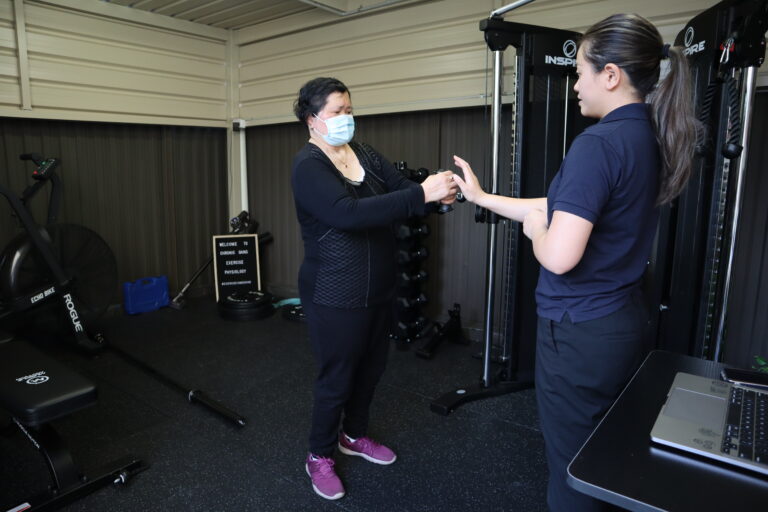
Exercise physiologists (EPs) are university-qualified allied health professionals who use exercise as the primary treatment tool. Their focus includes:
Structured Rehabilitation
Progressive, graded exercise programs built around your specific condition, goals, and capacity, and adjusted as you improve.
Chronic Disease Management
EPs are trained specifically in conditions like diabetes, cardiovascular disease, cancer recovery, and chronic pain, areas where evidence-based exercise has strong, proven outcomes.
Long-Term Function and Independence
Rather than just reducing pain, EPs build the strength, mobility, and capacity you need to return to daily life, sport, or work, and stay there.
Exercise physiology is typically the right fit once the acute pain has settled, for chronic condition management, or when you need a structured, progressive plan rather than hands-on treatment. If this sounds like your stage of recovery, take a look at our exercise physiology for injury rehabilitation service.
Key Differences at a Glance
| Factor | Physiotherapist | Exercise Physiologist |
|---|---|---|
| Primary approach | Hands-on treatment and diagnosis | Structured exercise programs |
| Best suited for | Acute injury, new pain, diagnosis | Chronic conditions, long-term rehab |
| Typical stage of care | Early recovery | Ongoing/later-stage recovery |
| Treatment style | Manual therapy, passive techniques | Progressive, active exercise |
| Common funding | Medicare, private health, CTP | NDIS, Medicare (chronic disease plans), Workers Compensation |
Which One Do You Need?

- Just injured yourself or in acute pain? Start with a physiotherapist for diagnosis and initial treatment.
- Managing a chronic condition like diabetes, heart disease, or persistent pain? An exercise physiologist is trained specifically for this.
- Finished initial treatment but still rebuilding strength and function? This is exactly where exercise physiology fits.
- Recovering from surgery and want a structured return-to-activity plan? Many people move from physio to EP once the acute phase is over.
- Not sure? That’s normal, and it’s exactly why Chronic Gains offers both perspectives under one roof in Bankstown. Our injury rehab service covers both physio and exercise physiology, so you don’t have to work it out alone.
Expert Insight
💡Pro Tip: The American College of Sports Medicine (ACSM) recommends structured, progressive exercise as a core treatment for chronic disease management, not just an add-on to hands-on therapy. This is the evidence base that exercise physiology is built on.
Frequently Asked Questions
Q: Is an exercise physiologist the same as a physio?
No. Physiotherapists focus on hands-on treatment and diagnosis, especially early in recovery. Exercise physiologists use structured exercise as the primary treatment, especially for chronic conditions and longer-term rehabilitation.
Q: Do I need a referral to see an exercise physiologist?
Not always for a standard consultation, but a referral is usually required to access funding through Medicare chronic disease management plans, NDIS, or Workers Compensation.
Q: Can I see both a physiotherapist and an exercise physiologist?
Yes, and it’s common. Many people start with physiotherapy for early treatment, then move to exercise physiology for structured, progressive rehabilitation.
Q: Which one is better for chronic pain?
Exercise physiology is specifically trained in evidence-based, graded exercise for chronic pain and chronic disease, making it well suited for longer-term management once any acute issue has been assessed.
Next Steps
Still not sure which service is right for you? Our team in Bankstown can help you figure out the best starting point for your recovery, whether that’s exercise physiology, physiotherapy, or both. Book an assessment and we’ll guide you from there.
Author Bio
Chronic Gains Exercise Physiology is a trusted provider of tailored, evidence-based Exercise Physiology and Physiotherapy services in Bankstown and Sydney. We specialise in helping people living with disability, chronic conditions, and injury to rebuild strength, function, and confidence.
Our team provides compassionate care through the NDIS, CDM (Chronic Disease Management), Workers Compensation, CTP (Compulsory Third Party) claims, DVA (Department of Veterans’ Affairs).