[WC/CTP] Whiplash After a Car Crash? Your CTP Recovery Plan Explained
Quick Answer
Whiplash after a NSW car crash is usually managed with early movement, education and graded neck and upper-back exercise, rather than long rest. Under CTP (green slip) statutory benefits, treatment generally needs to be “reasonable and necessary” and linked to the accident. An exercise physiologist can build a plan that fits your claim and your work. This guide to whiplash CTP recovery in Sydney explains the steps, from Bankstown clinics and beyond.
Introduction
The crash might have been a slow bump on Chullora Road or a rear-ender at a Punchbowl intersection. You walked away, but a day or two later your neck is stiff, your head aches and turning to check a blind spot hurts.

Now there is a claim form, an insurer on the phone and questions about who pays for what. It is a lot to handle while you are sore.
This article explains in plain language how CTP can fit with whiplash recovery, what a graded exercise plan looks like, and what to tell your insurer or case manager. It is general information only. Your own plan should come from an individual assessment and your treating doctor.
Table of Contents
- Why This Matters
- How CTP Covers Whiplash Treatment
- Whiplash CTP Recovery Sydney: A Graded Exercise Plan
- Getting Back to Work and Daily Life
- Warning Signs to Raise With Your GP
- Quick Comparison Table
- Expert Insight
- Frequently Asked Questions
- Next Steps
Why This Matters
- Early movement helps. Research generally shows that staying gently active tends to serve most people better than prolonged rest after whiplash.
- Timing can affect your entitlements. Claim deadlines under WorkCover and CTP processes can influence what is payable, so it pays to act early.
- Clear records support approvals. Insurers look for treatment that is reasonable, necessary and clearly tied to your injury and goals.
- Work and driving confidence matter. Neck pain can affect sitting, lifting, screens and driving, so recovery planning should include them.
- Some symptoms need medical review. Knowing the warning signs means problems get picked up sooner.
How CTP Covers Whiplash Treatment
In NSW, CTP insurance is attached to your green slip. If you are injured in a motor vehicle accident, statutory benefits can help with treatment and care costs, and sometimes income support, depending on your situation.
The “reasonable and necessary” test
Treatment usually has to be reasonable and necessary because of the accident. In practice, that means it should be appropriate for your injury, have a clear purpose and be supported by your records. Insurers generally need to approve treatment, and approval usually depends on your claim being in place.
Claim timing and the 28-day window
Lodging your claim within 28 days of the accident is generally important for statutory benefits. Leaving it later can change what is payable, and some soft tissue injuries are treated differently under the scheme. Check the details with your insurer or SIRA, as we can’t give claims or legal advice.
What to tell your insurer or case manager
- How the accident happened and when your symptoms started.
- Your main symptoms and what they stop you doing (work tasks, driving, sleep).
- Which health professionals you are seeing, and that you would like to include an exercise physiologist.
- Your goals, such as returning to full duties or driving comfortably.
Ask your insurer or case manager what they need from us, such as a treatment plan or progress report, before you start.
Whiplash CTP Recovery Sydney: A Graded Exercise Plan
Whiplash is a neck sprain or strain caused by a sudden, forceful movement. Pain can spread into the upper back, shoulders and head. Graded exercise (gradually increasing the load) helps your body get used to movement again without flaring things up.
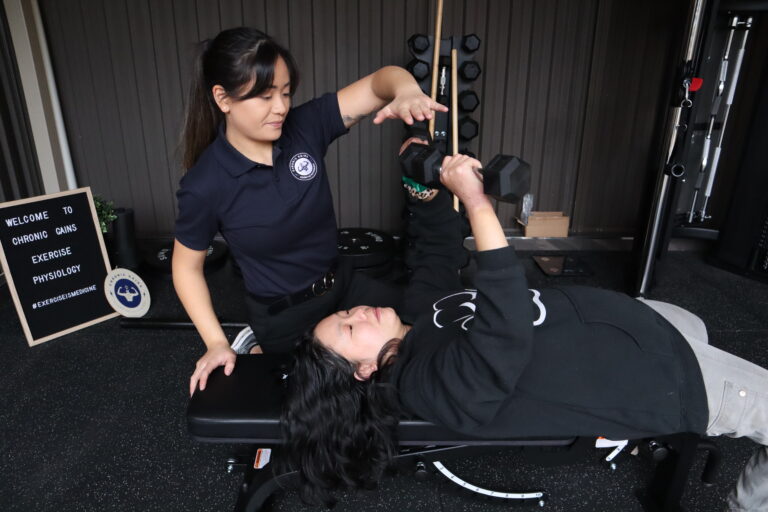
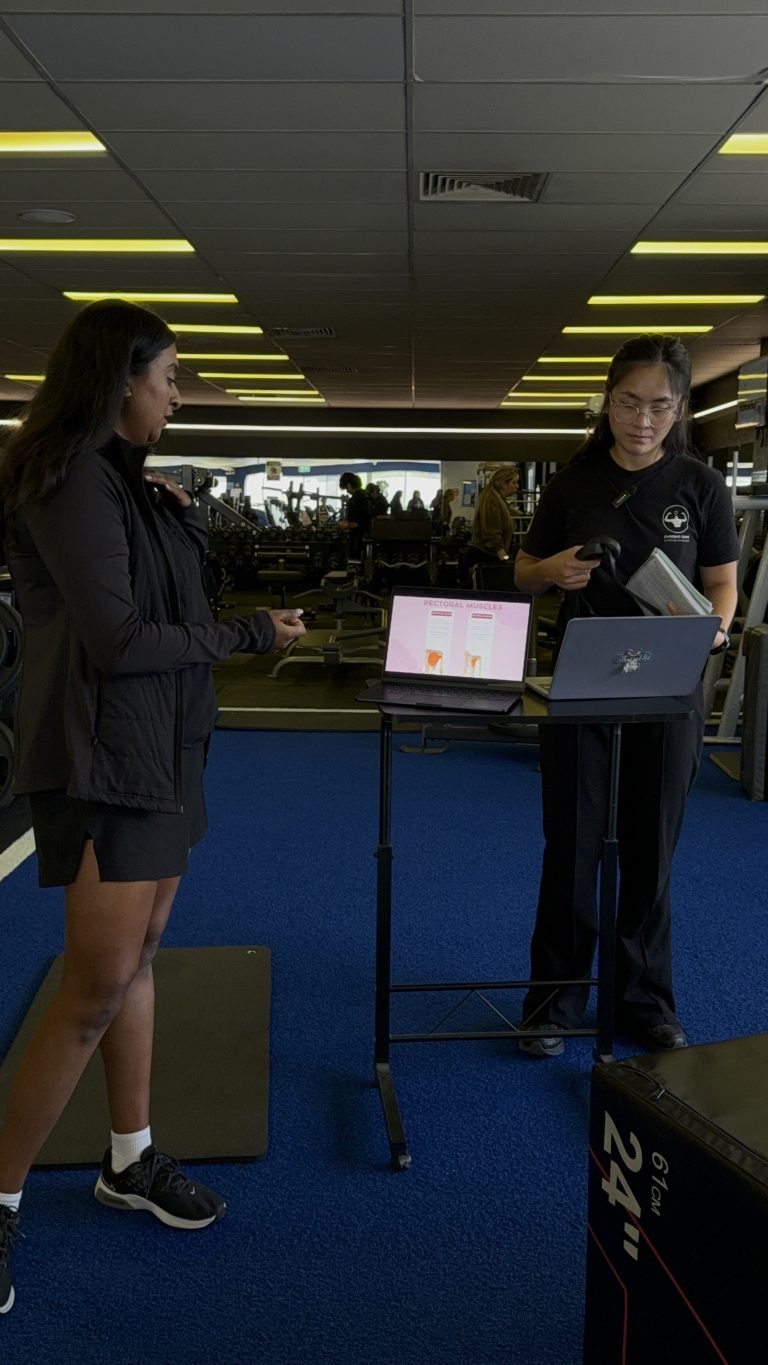
At Chronic Gains in Bankstown, an exercise physiologist begins with an assessment of your pain, movement, strength, work demands and confidence. Then your program is tailored to you. A general progression often looks like this:
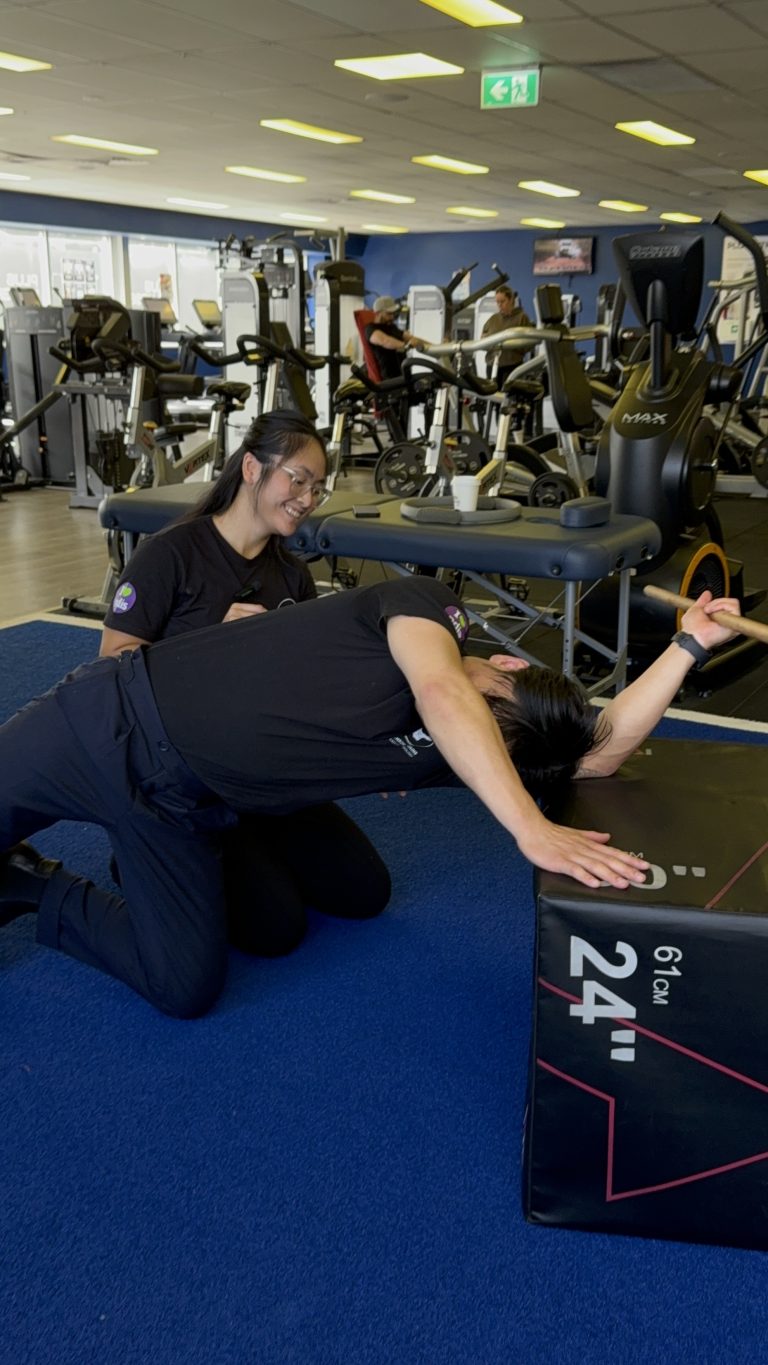
- Settle and move. Gentle neck range-of-movement work, easy walking, posture breaks and education about pain.
- Build support. Light strengthening for the deep neck muscles, shoulder blades and upper back.
- Add load. Resistance exercise, carrying and pushing or pulling tasks that mirror daily life.
- Task practice. Work-specific movements, sustained postures, overhead reaching and head checks for driving.
- Self-management. A plan you can keep going on your own, including what to do if symptoms flare.
Everyone moves through these stages at their own pace. Some people need more time at each step, and that is normal. You can read more about our exercise physiology for injury rehabilitation.
Getting Back to Work and Daily Life
Work is often a key part of the recovery plan. For many people, staying in some form of work, with sensible adjustments, is better than stopping completely. This should always be agreed with your treating doctor.
Practical steps to discuss
- Modified duties. Shorter shifts, lighter tasks or more breaks while your neck settles.
- Workstation changes. Screen height, chair setup and regular position changes.
- Driving. Practise shoulder checks and short trips as your comfort improves, and follow your doctor’s advice.
- Pacing. Spread demanding tasks across the day rather than pushing through on good days and crashing on bad ones.
If your pain lingers beyond what you expected, our chronic injuries treatment approach looks at the wider picture, including sleep, stress and activity habits.
Warning Signs to Raise With Your GP
Most whiplash settles with time and appropriate activity, but not always. See your GP promptly if you notice any of these:
- Pins and needles, numbness or weakness in your arms or hands that is spreading or worsening.
- Severe or worsening headaches, dizziness, blurred vision or trouble with balance.
- Neck pain that is getting steadily worse, or pain at night that won’t ease.
- Ongoing low mood, poor sleep, flashbacks or anxiety about travelling in a car.
If you have sudden severe symptoms, such as loss of bladder or bowel control, trouble speaking or severe weakness, call 000.
Quick Comparison Table
| Stage | Typical focus | Worth telling your insurer or doctor |
|---|---|---|
| Early days | Gentle movement, education, pain settling | Symptoms, injuries and when they started |
| Building up | Neck and upper-back strengthening | Changes in pain, sleep and movement |
| Work focus | Task practice, posture tolerance, lifting | Work demands and any duty changes |
| Driving focus | Head turning, sustained sitting, confidence | Driving goals and worries |
| Review | Progress check and plan update | Whether more treatment is needed and why |
Expert Insight
Pro Tip: Keep a simple weekly note of what you can do now that you couldn’t do last week, such as driving 20 minutes or finishing a work shift. Small, specific details help your insurer see why treatment is reasonable and necessary, and they show you how far you have come.
Frequently Asked Questions
Does CTP pay for exercise physiology after whiplash?
CTP statutory benefits can cover treatment that is reasonable and necessary because of the accident, but approval is up to the insurer. Check with your insurer or case manager before you start, and ask what paperwork they need.
Do I need a referral or GP certificate?
Often your insurer will want to see that your treating doctor is aware of your treatment plan. Your GP can also certify capacity for work. Ask your insurer or case manager what they require for your claim.
Should I rest until the pain goes away?
For most people, complete rest for a long time isn’t helpful. Gentle, gradual activity is generally encouraged, guided by your doctor and your exercise physiologist. Your plan should match your symptoms and any medical advice.
How long will my recovery take?
It varies a lot between people, and no one can promise a timeframe. Factors include the severity of the injury, your work demands, sleep, stress and other health conditions. Regular reviews help keep your plan on track.
Next Steps
Whiplash after a car crash can feel overwhelming, but you don’t have to work it out alone. Talk to your GP, check your claim timing and approvals with your insurer or case manager, and get a plan that builds your neck and upper-back strength safely. If you live or work around Bankstown and want a tailored, graded program, Book an assessment.
Author Bio
Chronic Gains is an Exercise Physiology practice located inside Plus Fitness Bankstown, Sydney. We provide evidence-based exercise rehabilitation for musculoskeletal injuries and chronic health conditions, and support clients funded through NDIS, Workers Compensation, CTP, Medicare and private health across NSW.
This article is general information only and is not a substitute for individual advice. Speak with your GP or treating health professional about your situation.