Work Stress Injury Claim Changes: How Exercise Supports Recovery
Quick Answer
If you’re looking into psychological injury workers compensation NSW exercise options, here’s the short version. Structured, graded exercise can support mood, sleep, energy and confidence, and it can sit alongside psychological care and return-to-work planning. New rules for claims notified from 1 July 2026 put time limits on payments and treatment, so starting early can help you make the most of the support available. An exercise physiologist in Bankstown or greater Sydney can tailor a program to you.
Introduction
You’ve been under pressure at work for a long time. Maybe it was a traumatic event, a painful injury that never settled, or months of stress that built up. Now you’re hearing that the NSW rules for psychological injury claims have changed, and you’re not sure what that means for your recovery.
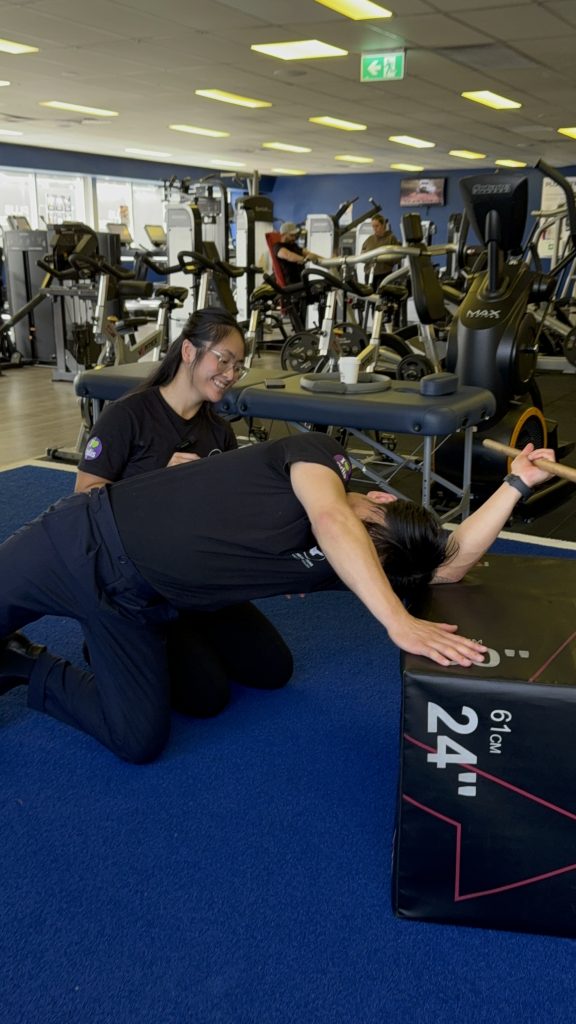
You’re not alone. Many workers, GPs and employers in Bankstown and the wider Canterbury-Bankstown area are asking the same question. The changes apply to claims notified from 1 July 2026, and a further round of reforms began on 1 October.
This article explains, in plain language, how exercise can fit into recovery planning. It is general information only. It is not claims advice, and it can’t tell you how the rules apply to your claim.
Table of Contents
- Why This Matters
- What the 1 July 2026 Changes Mean in Plain Language
- Psychological Injury Workers Compensation NSW Exercise: How It Helps
- A Graded Pathway Back to Function
- Quick Comparison Table
- Expert Insight
- Frequently Asked Questions
- Next Steps
Why This Matters
- Time limits make early planning valuable. When weekly payments and treatment have time limits, it helps to build a recovery plan sooner rather than later.
- Stress and pain often travel together. A psychological injury can show up as poor sleep, tension, fatigue and avoiding activity. Movement can address several of these at once.
- Inactivity can feed the cycle. Avoiding activity can lower fitness, confidence and mood, which can make returning to work feel even harder.
- Clear goals help everyone. A written plan gives your GP, employer and insurer a shared picture of progress. This is useful for WorkCover and CTP referrers and case managers.
- Skills last beyond the claim. Habits like pacing, regular exercise and stress-management strategies stay with you after support ends.
What the 1 July 2026 Changes Mean in Plain Language
The NSW psychological injury rules changed for claims notified from 1 July 2026. As we understand them, the changes include a stricter eligibility test, a 130-week limit on weekly payments for people with lower levels of impairment, and treatment funding limited to 12 months after weekly payments stop.
Exactly how this applies to you depends on your claim. Your insurer, SIRA (State Insurance Regulatory Authority) and the Independent Review Office (IRO) are the right places to ask about eligibility, payments or disputes. The Personal Injury Commission also publishes information on the changes.
What this means for recovery planning
- Your timeline matters. Knowing your payment and treatment windows helps you set realistic goals.
- Function is a focus. Being able to sleep, concentrate, get out of the house and manage a work day are practical goals you can work towards.
- Your GP stays central. Your treating doctor coordinates your care and can advise on capacity for work.
Psychological Injury Workers Compensation NSW Exercise: How It Helps
Research generally shows that regular physical activity is linked with better mood, sleep and stress management. For most people, it works best as one part of a team approach, not a replacement for psychological care or medical advice.
What exercise can support
- Energy and sleep. Gentle, regular activity can help your body settle into a steadier routine.
- Stress and tension. Breathing, mobility and strength work can give you a practical way to release physical tension.
- Pain and movement confidence. If your psychological injury has a pain component, chronic injury exercise physiology can help you rebuild trust in your body.
- Structure and purpose. Scheduled sessions give your week a rhythm, which can be valuable when work has stopped.
What exercise physiologists do
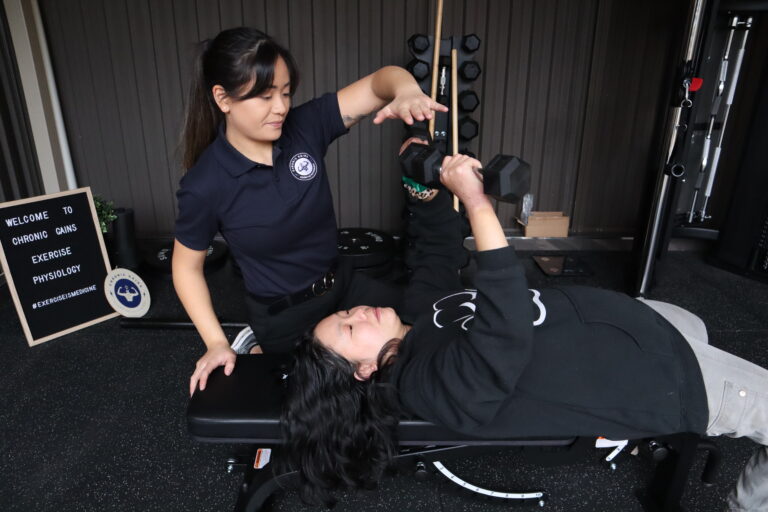
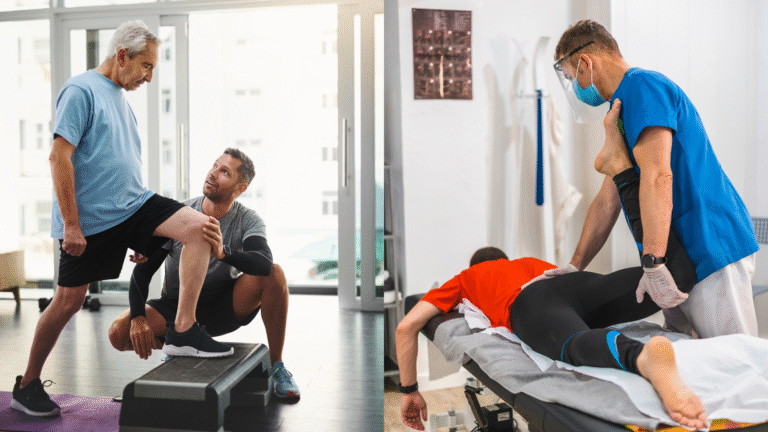
Accredited exercise physiologists are university-trained allied health professionals. We assess your current function, design a program around your health and goals, and track progress in plain terms. Our exercise physiology for injury rehabilitation often includes a physical injury and a stress response at the same time.
A Graded Pathway Back to Function
Graded activity means gradually increasing the load, so your body and confidence can keep up. Here is a typical progression. Yours will be individual.
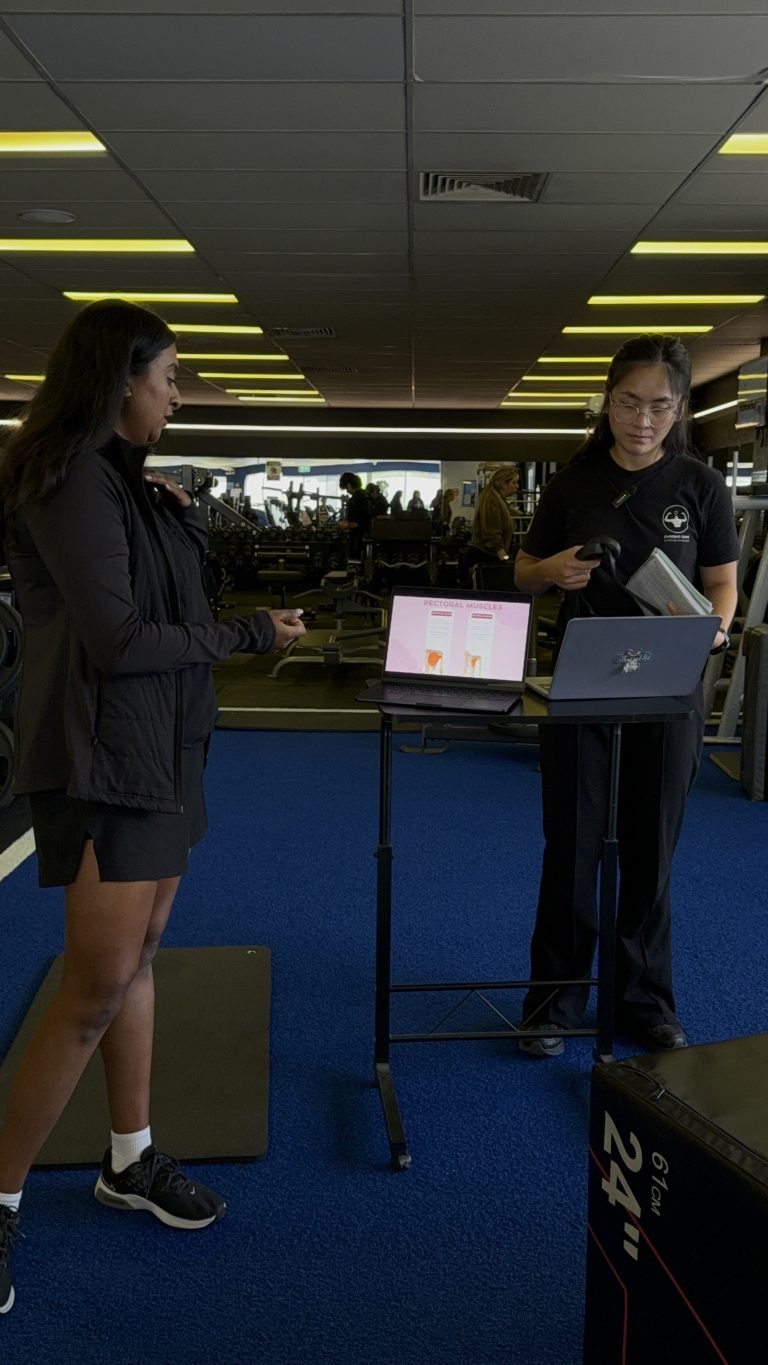
- Assessment and goal-setting. We talk through your history, symptoms, work demands and what matters most to you. We also check with your treating team where needed.
- Start small and steady. Short, manageable sessions focus on movement, breathing and building a routine. The aim is to feel capable, not exhausted.
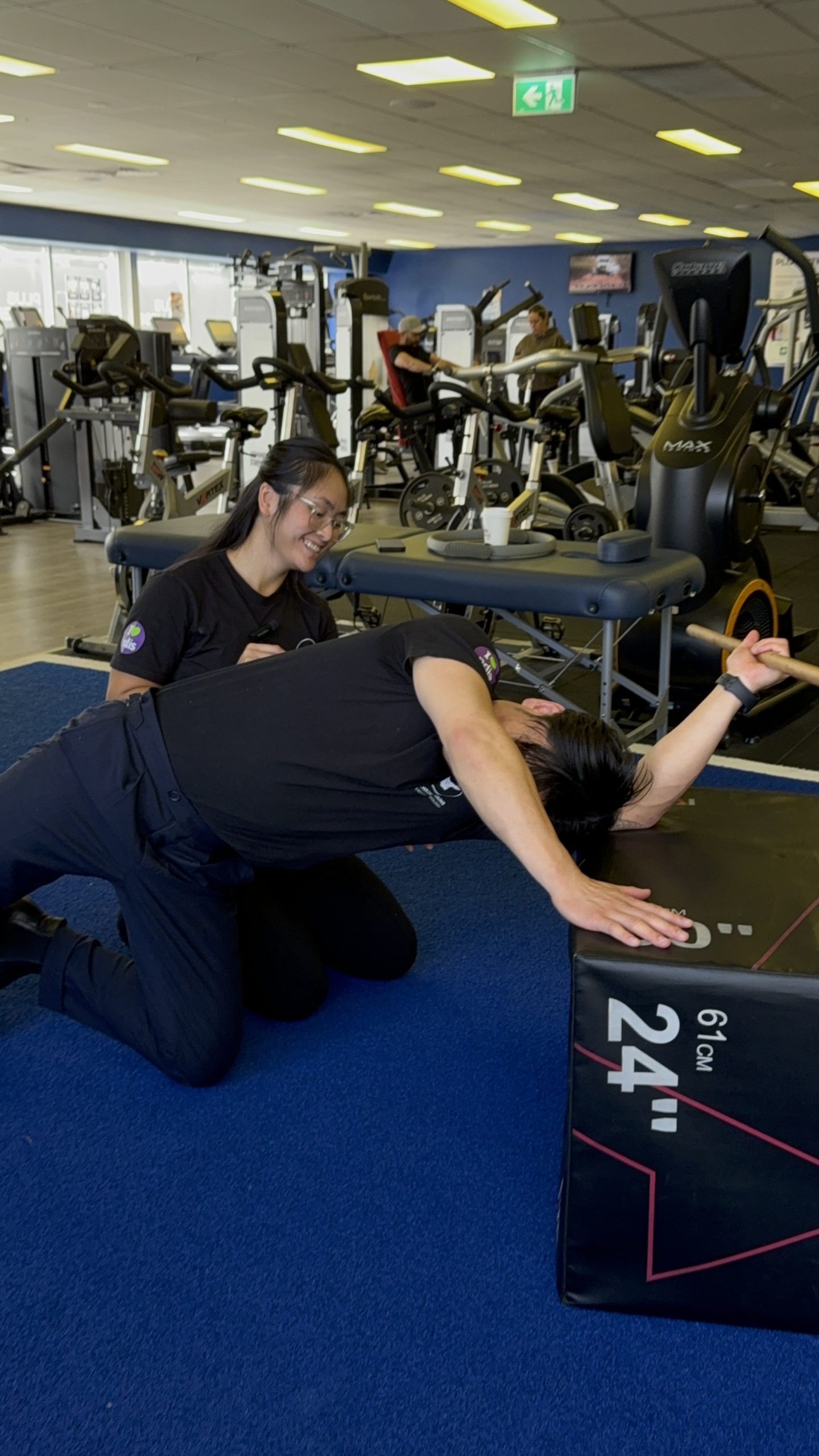
- Build strength and fitness. We slowly add resistance and aerobic work, while monitoring how your symptoms respond.
- Practise work-related tasks. This might include lifting, standing, travel or longer periods of concentration, matched to your job.
- Plan the return to work. We can share progress with your GP, employer or case manager to support suitable duties and gradual hours.
- Build a long-term plan. You leave with a routine you can keep going on your own or with ongoing support, such as chronic condition management through Medicare CDM where eligible.
Setbacks are normal. A good program expects them and adjusts.
Quick Comparison Table
| Support | Main role in recovery |
|---|---|
| Treating GP | Coordinates care, certifies capacity and refers to other providers |
| Psychologist or psychiatrist | Treats the psychological condition and builds coping skills |
| Exercise physiologist | Builds physical function, energy and confidence through graded activity |
| Employer and case manager | Arrange suitable duties and a workable return-to-work plan |
| Insurer, SIRA and IRO | Decide on claims, provide information and handle disputes or complaints |
Expert Insight
Pro Tip: Don’t wait until you feel “ready” to move. In our experience, confidence often follows action, not the other way around. Start with a small, repeatable session and let your plan grow from there.
Frequently Asked Questions
Can exercise replace psychological treatment?
No. Exercise is best used alongside care from your GP and psychologist or psychiatrist. It can support mood, sleep and function, but your treating team should guide your overall plan.
Is exercise safe if I’m very anxious or exhausted?
For most people, gentle and gradual activity is appropriate. We start where you are and adjust each session based on how you feel. If you have other health concerns, we encourage you to check with your GP first.
Can you tell me if my claim is eligible or how long my payments will last?
No. We can’t give claims advice. Please contact your insurer, SIRA or the Independent Review Office for decisions about eligibility, payments and disputes.
How is exercise physiology funded?
It depends on your situation. Options may include WorkCover or CTP where approved by the insurer, NDIS, Medicare CDM with a GP plan, or private health cover. Please check your eligibility and approvals before you start.
Next Steps
The new NSW psychological injury rules make timing more important, but you don’t have to work it all out alone. Structured, graded exercise can support your mood, function and return-to-work planning alongside your GP and treating team. If you’d like a plan built around your situation, we’re here in Bankstown to help. Book an assessment
Author Bio
Chronic Gains is an Exercise Physiology practice located inside Plus Fitness Bankstown, Sydney. We provide evidence-based exercise rehabilitation for musculoskeletal injuries and chronic health conditions, and support clients funded through NDIS, Workers Compensation, CTP, Medicare and private health across NSW.
This article is general information only and is not a substitute for individual advice. Speak with your GP or treating health professional about your situation.